Home › Blog › How Long Do Nootropics Take to Work?
Common QuestionsHow Long Do Nootropics Take to Work? A Realistic Timeline
| Same day | Caffeine and L-Theanine are often felt within 30–60 minutes. |
| 1–2 weeks | Adaptogens like Rhodiola may lift mental stamina fairly quickly. |
| 8–12 weeks | Memory botanicals like Bacopa Monnieri build gradually with daily use. |
| The rule | Consistency beats dose — give any blend a fair, full trial. |

It is the most natural question to ask after you swallow the first capsule: how long do nootropics take to work? You want to know whether to expect a lightning bolt of focus this afternoon or a slow, quiet improvement you will only notice weeks from now. The honest answer is that it depends entirely on which ingredients are in the bottle — and that setting the right expectation up front is the difference between sticking with a good product and abandoning it too early.
This guide lays out a realistic timeline for how long nootropics take to work, ingredient by ingredient, so you know exactly what to watch for and when. We will separate the fast-acting compounds from the slow-building botanicals, explain why some of the best-researched ingredients are deliberately subtle, and share the simple habits that give any nootropic its best chance to help.
Why there is no single answer
Nootropics are not one thing. The word covers everything from a cup of coffee to a botanical extract that has been used for centuries. Because these ingredients work in very different ways, they operate on very different clocks. A stimulant hits fast and fades; a botanical that supports the brain over time works slowly and steadily. Lumping them together is why so many people feel confused about whether their supplement is "doing anything."
So instead of asking how long nootropics take to work, the smarter question is how long each ingredient takes. Turn your bottle over, read the label, and match what is inside to the timeline below. If you are not sure what each ingredient does, our tour of the best nootropic ingredients for memory and focus breaks them down by the job they do.
The same-day ingredients (30 to 60 minutes)
A small group of nootropic ingredients produce an effect you can usually feel the same day, often within the first hour.
Caffeine
The most familiar nootropic of all. Caffeine is absorbed quickly and typically produces a noticeable lift in alertness within 30 to 60 minutes, peaking in the first couple of hours. It is genuinely fast — but it also builds tolerance and can leave you jittery, which is exactly why many people look beyond it. Our head-to-head on nootropics vs coffee for focus covers that trade-off in detail. Caffeine is also the ingredient with the most direct evidence for a same-session effect — the review asking whether caffeine is a cognitive enhancer in the Journal of Alzheimer’s Disease (2010) is a good summary of what it does and does not do.
L-Theanine
An amino acid found in tea, L-Theanine is also felt fairly quickly and is best known for promoting a calm, settled kind of focus. Many people pair it with caffeine because it can smooth out the jittery edge while keeping the alertness.
The catch with same-day ingredients is that fast does not mean better. A quick buzz tells you a compound is active, not that it is building anything lasting for your memory or long-term clarity. That deeper support comes from a different category entirely.
The build-up ingredients (2 to 12 weeks)
Here is the part that surprises newcomers: some of the most respected, best-researched nootropic botanicals do not give you an obvious same-day feeling at all. They are designed to support cognition gradually, and their benefit is something you notice looking back over weeks rather than in the moment. This is not marketing patience. A systematic review of randomized, controlled human trials of Bacopa monnieri found that the trials reporting benefits almost all ran for around twelve weeks of daily dosing.
Bacopa Monnieri (roughly 8 to 12 weeks)
Bacopa is the classic example. This traditional Ayurvedic herb has been studied for memory support, and it is characteristically slow: it is traditionally taken daily for around 8 to 12 weeks before its full support becomes noticeable. If you take Bacopa for three days and conclude "it does nothing," you have simply not given it the window it needs. Patience is not optional with this ingredient — it is the whole point. The pooled picture agrees: a meta-analysis of randomized controlled trials on Bacopa monnieri extract in the Journal of Ethnopharmacology (2014) reported effects on memory measures emerging over weeks of continuous use rather than after single doses.
Lion’s Mane and Ginkgo Biloba (several weeks)
Both are typically taken consistently over weeks rather than judged on a single dose. People often describe their support for focus and mental clarity as something that settles in gradually with continued daily use.
Rhodiola Rosea and other adaptogens (days to a couple of weeks)
Adaptogens sit somewhere in the middle. Rhodiola, traditionally used to support mental stamina and resilience to everyday stress, is sometimes felt within a week or two, though like everything here the response varies from person to person.
Built for the long game — and priced for it
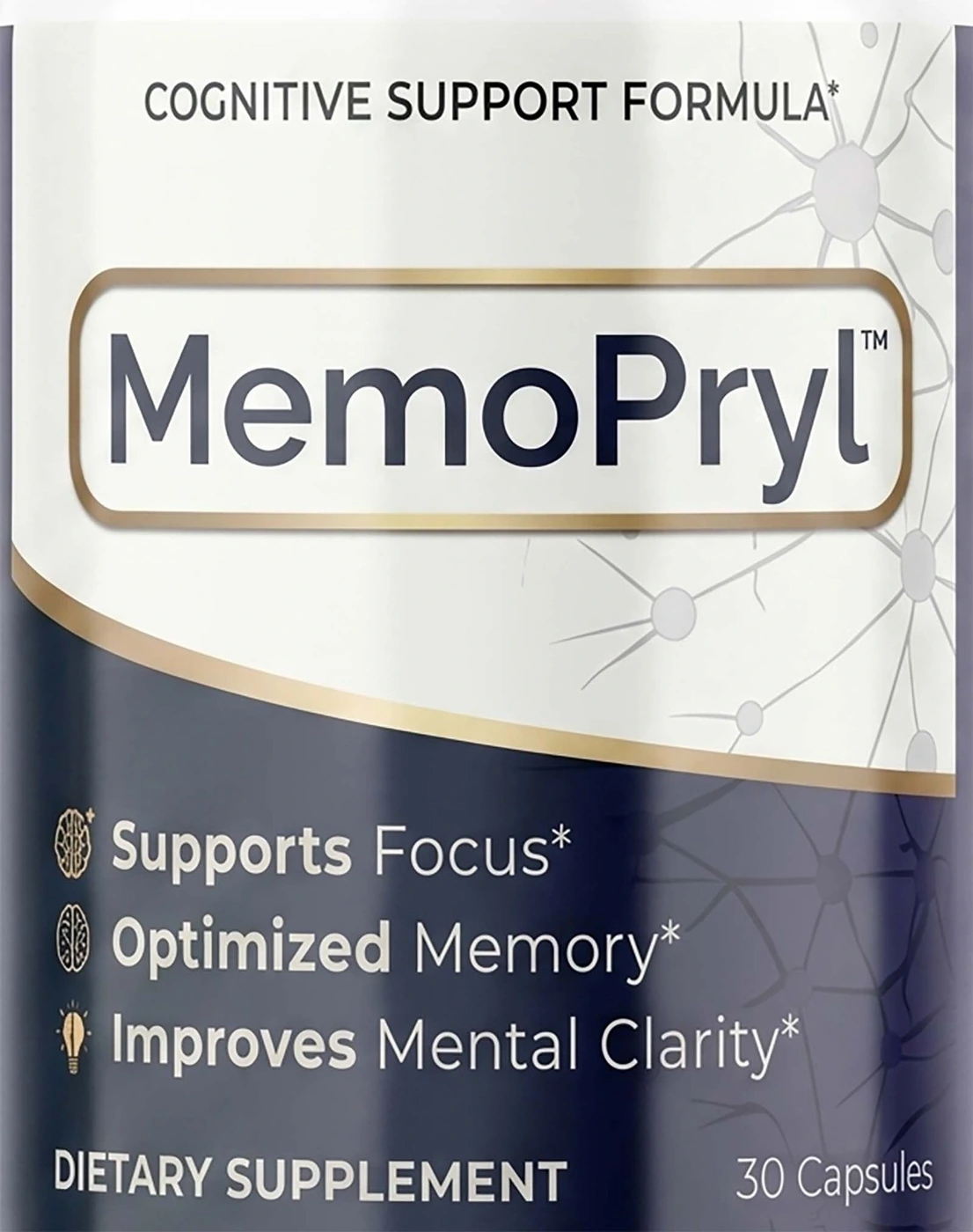
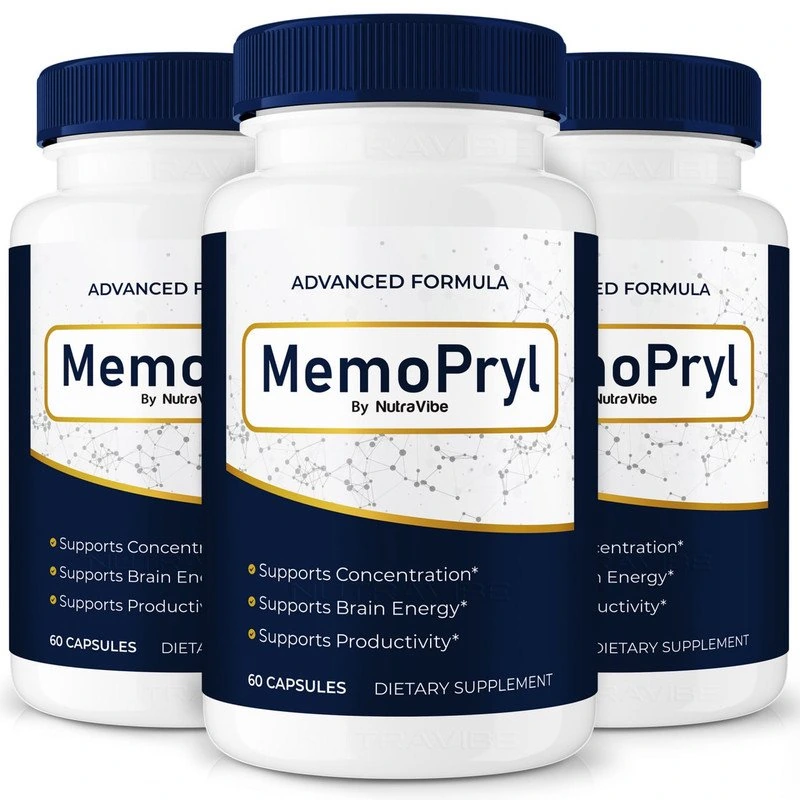
Because memory botanicals reward consistency, MemoPryl is designed as a simple once-daily capsule you can actually keep taking for the full 8-to-12-week window. Multi-bottle bundles bring the per-day cost down so a proper trial never feels wasteful, and a 60-day money-back guarantee covers the time these slow-building ingredients need.
 See MemoPryl Packages
Why "I feel nothing" is often a good sign
It sounds backwards, but the absence of a dramatic hit can actually reflect a well-built formula. A supplement that makes you feel wired and buzzy is usually leaning on a stimulant. A formula built around memory and clarity botanicals is meant to work quietly in the background — supporting how your brain performs rather than jolting it. The improvement often shows up as small, everyday wins: remembering a name, holding your train of thought in a long meeting, feeling less foggy at 3 pm. Those are easy to miss day to day and obvious only when you look back over a month.
This is exactly why we encourage people to keep a simple before-and-after in mind, or even jot a quick note in week one and re-read it in week eight. Memory is a poor judge of its own gradual change.
How to give a nootropic its best chance to work
You cannot force a botanical to work faster by doubling the dose — more is not better, and it can be counterproductive. What actually moves the needle is giving the ingredients good conditions:
- ✓ Take it consistently — same time every day, so slow-building ingredients accumulate as intended.
- ✓ Follow the label — with food if directed, at the recommended amount, no more.
- ✓ Support it with sleep — no supplement outperforms a chronically tired brain.
- ✓ Stay hydrated and keep moving — hydration and regular exercise both support everyday cognition.
- ✓ Give it a full trial — at least 8 to 12 weeks before you judge a botanical blend.
Timing matters too. If you want to fine-tune when in the day you take your capsule, our guide to the best time to take nootropics walks through morning versus split dosing and how it interacts with sleep.
What a realistic month looks like
Here is a grounded picture of a first month on a botanical blend that also contains a gentle same-day ingredient:
- 1. Week 1: You may notice a mild same-day sense of calm focus from fast-acting ingredients. The memory botanicals are just getting started.
- 2. Weeks 2–4: The daily habit is set. Some people report steadier afternoon focus; the deeper memory support is still building quietly.
- 3. Weeks 5–8: This is where slow-building ingredients like Bacopa typically start to show. Look for the small everyday wins rather than a dramatic switch.
- 4. Weeks 9–12: The formula is at full stride. Now is a fair time to judge whether it is working for you.
Individual responses vary, and none of this is a promise of a specific outcome — it is a realistic frame so you know what patience buys you.
Frequently asked questions
How long do nootropics take to work?
It depends on the ingredient. Fast-acting compounds like caffeine and L-Theanine can be felt within 30 to 60 minutes, while memory botanicals such as Bacopa Monnieri build gradually and are traditionally taken daily for 8 to 12 weeks before their full support is noticeable.
Why don’t I feel my nootropic right away?
Many well-researched memory botanicals do not produce an obvious same-day buzz. They are designed to support cognition gradually with consistent daily use, so the change is often subtle and easiest to notice after several weeks rather than on day one.
How long should I try a nootropic before deciding if it works?
Give a botanical blend a fair trial of at least 8 to 12 weeks of consistent daily use, since that is the window in which slow-building ingredients are traditionally evaluated. A money-back guarantee that covers 60 days or more makes a full trial low-risk.
Can I speed up how fast a nootropic works?
The most reliable way to get results is consistency, not higher doses. Taking your nootropic at the same time each day, with food when directed, and pairing it with sleep, hydration and exercise gives the ingredients the best conditions to work as intended.
Do the effects of nootropics wear off over time?
Stimulants like caffeine can build tolerance, so their noticeable lift may fade. Many botanical nootropics work differently and are taken continuously for ongoing support rather than a one-time hit, though individual responses vary.
| Who we are | An independent team that studies nootropic labels, formulation and traditional use, then turns it into plain-language guidance anyone can act on. We review every article for accuracy and keep our timelines grounded in how these ingredients actually behave. This content is educational and is not a substitute for advice from your own physician. |
References & further reading
- Is caffeine a cognitive enhancer? — J Alzheimers Dis, 2010 (PubMed PMID 20182035)
- The cognitive-enhancing effects of Bacopa monnieri: a systematic review of randomized, controlled human clinical trials — J Altern Complement Med, 2012 (PubMed PMID 22747190)
- Meta-analysis of randomized controlled trials on cognitive effects of Bacopa monnieri extract — J Ethnopharmacol, 2014 (PubMed PMID 24252493)
- National Institutes of Health, Office of Dietary Supplements — Dietary Supplement Fact Sheets
- U.S. Food & Drug Administration — Dietary Supplements overview
- National Center for Complementary and Integrative Health — Herbs at a Glance
† These statements have not been evaluated by the FDA. This product is not intended to diagnose, treat, cure or prevent any disease. This article is for general information only and is not medical advice.