Home › Blog › Nootropics vs Coffee for Focus
Comparison GuideNootropics vs Coffee for Focus: Which Is Better?
| Coffee | Fast, short-lived alertness from caffeine — great for an immediate lift. |
| Nootropics | Broader daily support for memory, clarity and steady attention over time. |
| Jitters | Coffee alone can feel edgy; blends often add L-Theanine for calm focus. |
| Best of both | Most people combine a daily nootropic with moderate coffee — not either/or. |
If you have ever reached for a third cup of coffee just to push through the afternoon, you have probably wondered whether there is a better way to stay sharp. That is exactly the question behind the search for nootropics vs coffee for focus. Both promise clearer thinking and more productive hours, but they work in very different ways — and understanding the difference is the key to choosing what actually fits your day.
This guide compares caffeine and nootropic botanicals head to head: what each one does, how fast it works, how it feels, and where each falls short. The short version is that they are not really enemies. But there are real reasons to lean on one, the other, or a thoughtful combination of both.
What coffee actually does for focus
Coffee’s active ingredient is caffeine, and it is so effective at supporting alertness that it is often called the world’s most popular nootropic. Caffeine works mainly by blocking adenosine, the molecule that builds up through the day and makes you feel tired. Block it, and you feel more awake, more alert, and more able to concentrate — usually within 30 to 60 minutes. Its reputation is earned rather than assumed — the review asking whether caffeine is a cognitive enhancer in the Journal of Alzheimer’s Disease (2010) works through what caffeine reliably does to alertness and attention.
That speed is coffee’s biggest strength. When you need to focus right now, few things beat it. It is inexpensive, widely available, and comes with the ritual and warmth that many people genuinely enjoy. For a large share of the population, a morning coffee is a perfectly reasonable focus tool.
But caffeine has clear limits. The lift is short — often three to five hours — and it fades into the familiar afternoon crash. Take too much, or take it too late, and you get jitters, a racing heart, or disrupted sleep, which quietly sabotages the next day’s focus. And crucially, caffeine does nothing for the deeper foundations of cognition: it supports short-term alertness, not long-term memory or learning. Those limits are well documented: a review of caffeine’s effects on cognitive, physical and occupational performance in Neuroscience and Biobehavioral Reviews (2016) describes gains concentrated in vigilance and reaction time rather than learning or recall.
What nootropic supplements actually do
“Nootropic” is a broad term for anything used to support cognitive function. In supplement form, it usually means a blend of botanicals and nutrients chosen to support memory, focus, mental clarity and resilience. Rather than a single fast-acting stimulant, a good blend layers several ingredients that each play a different role.
Classic examples include Bacopa Monnieri, traditionally used over several weeks to support memory and learning; Lion’s Mane mushroom, valued for supporting focus and healthy nerve function; Ginkgo Biloba, long used to support healthy circulation to the brain; and L-Theanine, an amino acid from tea prized for promoting a calm, relaxed-yet-alert state. If you want a full breakdown, our guide to the best nootropic ingredients for memory and focus walks through each one.
The trade-off is speed. Where caffeine hits in an hour, memory-focused botanicals are about consistency: they are traditionally taken daily and build their support gradually. You are not buying a jolt; you are building a foundation.

Head to head: the honest comparison
Speed
Coffee wins. Nothing in the nootropic world matches the immediacy of caffeine. If your only goal is to feel more awake in the next hour, coffee is the tool.
Duration and steadiness
Nootropics win. Because a blend supports the underlying systems rather than just masking tiredness, the effect is steadier. There is no single crash to plan around, and the support compounds with daily use rather than wearing off by lunch.
The “feel”
It depends. Coffee’s lift is energetic and can tip into jittery. Many nootropic blends deliberately include L-Theanine, which is famous for smoothing caffeine’s rough edge — the reason green tea feels focused rather than wired. If you find coffee makes you anxious, a calm-focus blend may suit you far better.
Memory and learning
Nootropics win, clearly. Caffeine does not support memory formation in any meaningful way. Botanicals like Bacopa and Phosphatidylserine are chosen precisely for that role, which is why serious memory formulas are built around them. If memory is the specific job you want done, the botanicals to compare are the ones in our head-to-head on Bacopa vs Ginkgo Biloba for memory.
Cost and convenience
Roughly even. Coffee is cheap per cup but adds up, and the ritual takes time. A daily capsule is a fixed, once-a-day habit. Neither is a clear winner here — it comes down to how you like to structure your day. Cans change that arithmetic sharply, which is why we handled nootropics vs energy drinks for focus as its own comparison.
Get calm, steady focus in one daily capsule
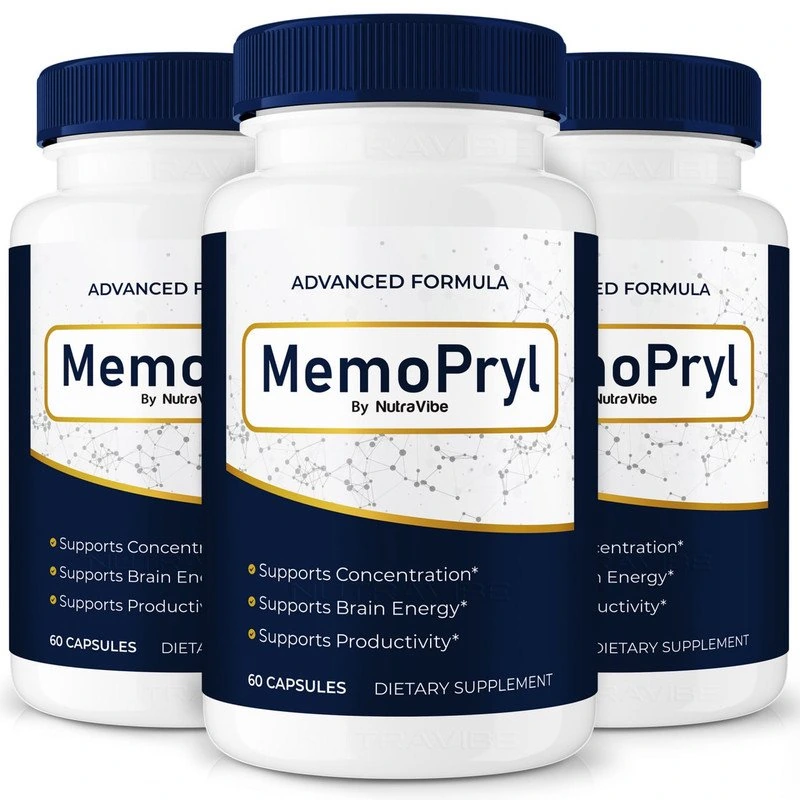
MemoPryl brings together Bacopa Monnieri, Lion’s Mane, Ginkgo Biloba, Rhodiola and L-Theanine — the calm-focus amino acid — so you get broad daily support without the caffeine crash. Backed by a 60-day money-back guarantee.
 See MemoPryl Packages
The smart move: combine them (carefully)
Here is the part most “versus” articles miss. You do not have to choose. The most practical routine for a lot of people is a daily nootropic blend for baseline support plus a moderate amount of coffee for the immediate lift. The blend covers memory, clarity and steadiness; the coffee handles the moments you need to switch on fast. The combination has been studied directly, too: research on the combined effects of L-theanine and caffeine in Nutritional Neuroscience (2008) is the reason the pairing keeps being recommended.
If you go this route, keep three things in mind. First, watch your total caffeine — a blend plus several coffees can add up quickly. Second, mind the timing: caffeine late in the day undermines sleep, and poor sleep undoes any focus benefit you were chasing. Third, remember that nothing replaces the basics. Sleep, movement, hydration and a reasonable diet do more for focus than any pill or cup, and both coffee and nootropics work best on top of that foundation.
Still deciding what to buy? Our buyer’s guide to choosing a nootropic supplement covers what to look for on a label, and if you are weighing plant-based options against lab-made compounds, see natural vs synthetic nootropics.
So, which is better for you?
Choose coffee if your main need is a fast, occasional lift and you tolerate caffeine well. Choose a nootropic blend if you want broader, steadier daily support for memory and clarity without the peaks and crashes. Choose both if you want the immediate spark of caffeine sitting on top of a solid cognitive foundation — which, for most busy people, is the genuinely best answer.
Whatever you pick, the winning strategy is the same one that beats every quick fix: build a consistent daily habit and give it time to work.
A sample day that uses both
To make this concrete, here is how a lot of people who use both actually structure their day. In the morning, they take their daily nootropic blend with breakfast — laying down the baseline support for memory and clarity that builds over the weeks. Alongside it, they have a single coffee for the immediate switch-on that caffeine does so well. Because the blend already contains L-Theanine, that first coffee tends to feel smoother and less spiky than caffeine on its own.
Through the late morning and early afternoon, the blend keeps quietly working in the background while the coffee handles the sharp peak of focus needed for demanding tasks. Then comes the key discipline: they draw a hard line on caffeine after early afternoon — often a cut-off around 2 p.m. — so it does not undermine that night’s sleep. If a second lift is needed later, they reach for a walk, some water, or a short break rather than another cup. The blend needs no such timing; it is a once-a-day habit.
The result is a day that borrows the best of both worlds: caffeine’s immediacy where it helps, botanical support underneath it all day, and protected sleep so tomorrow starts on the front foot instead of in a deficit.
Frequently asked questions
Are nootropics better than coffee for focus?
It depends on what you need. Coffee delivers a fast, short-lived lift from caffeine, while nootropic botanicals are used to support memory, clarity and steady attention over time. Many people find the two work best together rather than as rivals.
Can I take a nootropic supplement and drink coffee?
Yes, many people do. A common approach is a daily nootropic blend for baseline cognitive support plus a moderate amount of coffee for the immediate lift. Watch your total caffeine and check with your physician if you take medication or are sensitive to stimulants.
Does coffee count as a nootropic?
Caffeine is often called the world’s most popular nootropic because it supports alertness and attention. The difference is that most nootropic supplements combine several ingredients aimed at memory and clarity, not just short-term stimulation.
Why does coffee make me jittery but a nootropic blend does not?
Jitters usually come from a large, fast dose of caffeine on its own. Nootropic blends often pair calming ingredients such as L-Theanine with their other botanicals, which many people find gives a smoother, calmer kind of focus.
How long does each one take to work?
Caffeine is usually felt within 30 to 60 minutes and fades after a few hours. Memory-focused botanicals such as Bacopa Monnieri are traditionally used daily over several weeks, so a nootropic routine is about consistency rather than an instant hit.
| Who we are | An independent team that researches nootropic botanicals, caffeine and everyday cognitive-support habits, then translates the evidence into plain language. We review every article for accuracy and update it as understanding evolves. This content is educational and is not a substitute for advice from your own physician. |
References & further reading
- Is caffeine a cognitive enhancer? — J Alzheimers Dis, 2010 (PubMed PMID 20182035)
- A review of caffeine's effects on cognitive, physical and occupational performance — Neurosci Biobehav Rev, 2016 (PubMed PMID 27612937)
- The combined effects of L-theanine and caffeine on cognitive performance and mood — Nutr Neurosci, 2008 (PubMed PMID 18681988)
- National Center for Complementary and Integrative Health — Ginkgo
- National Institutes of Health, Office of Dietary Supplements — Caffeine
- U.S. Food & Drug Administration — Spilling the Beans: How Much Caffeine Is Too Much?
† These statements have not been evaluated by the FDA. This product is not intended to diagnose, treat, cure or prevent any disease. This article is for general information only and is not medical advice.