Home › Blog › Nootropics vs Energy Drinks for Focus
Comparison GuideNootropics vs Energy Drinks for Focus: Which Actually Helps?
| Energy drinks | Fast lift from caffeine + sugar — but a short window and a likely crash. |
| Nootropics | Steady, everyday cognitive support from botanicals, no sugar spike. |
| For quick jolt | An energy drink is faster — for one-off, short-term alertness. |
| For daily focus | A botanical nootropic is the more sustainable choice for most people. |
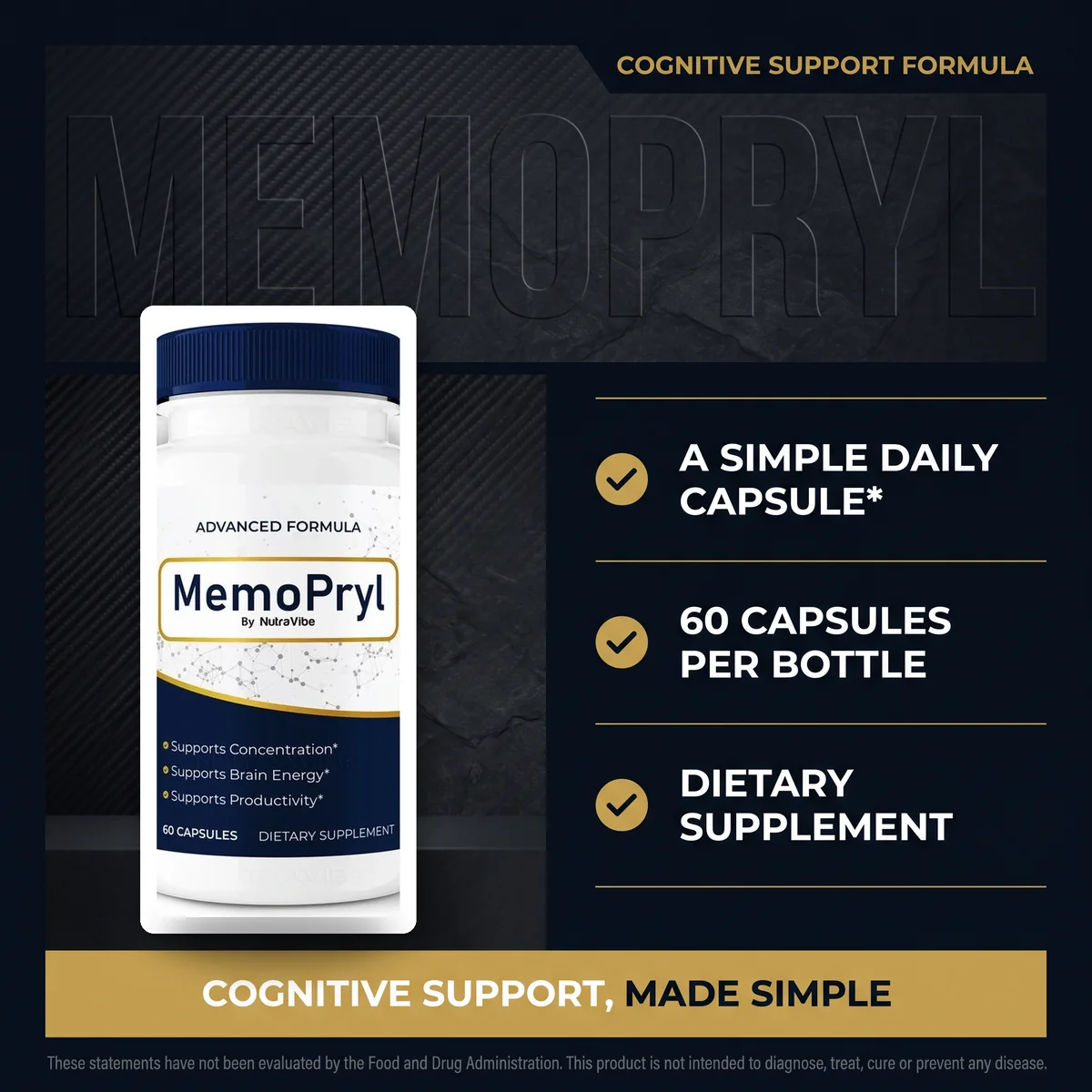
When the afternoon slump hits and the to-do list is still long, two very different solutions get reached for: a can of something cold and buzzing, or a daily capsule. So in the real world, nootropics vs energy drinks for focus — which one actually helps you get more done, and which one just feels like it does for twenty minutes before the crash?
This is an honest, no-hype comparison. Both have a place, and neither is evil. But they are built for completely different jobs, and knowing which is which will save you money, jitters and a lot of 3 p.m. regret.
What each one is really doing
The confusion starts because both promise “focus” and “energy” on the front of the label. Under the hood, though, they work in almost opposite ways.
Energy drinks: a fast chemical lift
A typical energy drink is built around two things: a solid dose of caffeine and, very often, a load of sugar (or sweeteners), plus supporting cast members like taurine and B-vitamins. The result is a quick, unmistakable surge of alertness — and that is genuinely useful when you need to be sharp right now. The catch is in the shape of the curve: caffeine peaks and then falls, sugar spikes blood glucose and then drops, and the two together can produce the classic crash an hour or two later, sometimes leaving you foggier than before you cracked the can. The crash is not the only cost worth knowing about: a systematic review and meta-analysis of energy drinks and their adverse health effects in Sports Health (2021) catalogued the effects reported across the literature.
Nootropics: steady cognitive support
A botanical nootropic takes the opposite approach. Instead of a single big spike, ingredients like Bacopa Monnieri, Lion’s Mane, Ginkgo Biloba and L-Theanine are used to support memory, focus and clarity in a steadier, more sustained way — and they are traditionally taken daily over weeks rather than for a single afternoon. There is no sugar spike, and a well-made blend can feel calm rather than wired. Curious how the individual botanicals contribute? Our guide to the best nootropic ingredients for memory and focus breaks each one down by the job it does.
Head-to-head: the honest scorecard
Here is how the two stack up on the things that actually matter day to day.
- ✓ Speed — Energy drinks win. A caffeine hit is felt in minutes; nootropics build over time.
- ✓ Staying power — Nootropics win. Steady support beats a spike that fades in an hour or two.
- ✓ Crash risk — Nootropics win. No sugar-and-caffeine spike means no classic slump.
- ✓ Memory support — Nootropics win. Energy drinks are not built for recall or learning.
- ✓ Sugar & calories — Nootropics win. A capsule has no sugar load; many cans have plenty.
- ✓ Convenience of a quick fix — Energy drinks win. Grab-and-go for a one-off deadline.
Add it up and the pattern is clear. For a one-off, right-now alertness boost, an energy drink is faster. For day-in, day-out focus and memory support without the sugar and the crash, a botanical nootropic is the more sustainable tool. They are not really rivals so much as tools for different jobs.
The hidden costs of the energy-drink habit
A single can now and then is not a problem for most people. A daily — or twice-daily — habit is a different story, and it is worth being honest about the trade-offs. A daily habit is where that matters most — a comprehensive review of the impact of energy drinks on the human body in Nutrients (2023) reviews what regular consumption does across the body rather than in a single afternoon.
- ✓ Sugar adds up — regular sugary cans mean a lot of empty calories over a week.
- ✓ Caffeine tolerance — the more you lean on it, the less the same amount seems to do.
- ✓ Sleep knock-on — an afternoon can can quietly wreck that night’s sleep, which harms next-day focus.
- ✓ Cost creep — a can or two a day is a surprisingly large monthly spend for a short buzz.
None of this makes energy drinks “bad” — it just means they are a poor foundation for consistent, all-day mental performance. If caffeine is your main lever, it is worth understanding how it stacks against botanical support directly; our nootropics vs coffee comparison digs into the caffeine side in more detail. Sleep is the part that quietly compounds. A systematic review of coffee, caffeine and sleep in Sleep Medicine Reviews (2017) sets out how much a late can costs you that night, which is often what creates the next day’s slump.
A steadier foundation than a can
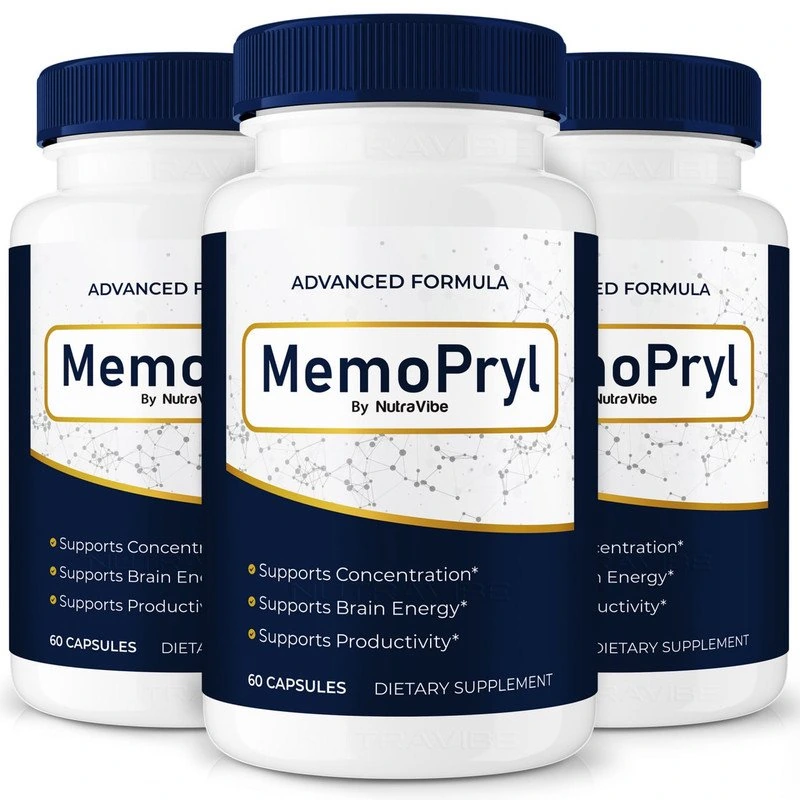
MemoPryl is a once-a-day botanical capsule — Bacopa Monnieri, Lion’s Mane, Ginkgo Biloba, Rhodiola and L-Theanine — with no sugar and no spike-and-crash. It is made in an FDA-registered, GMP-certified facility in the USA and backed by a 60-day money-back guarantee, so you can build a calmer daily routine with less risk.
 See MemoPryl Packages
Can you use both together?
Yes — thoughtfully. Because a botanical nootropic is not primarily a stimulant, it is easy to keep your usual coffee or the occasional energy drink alongside it. The one rule: watch your total caffeine. Energy drinks can be high in caffeine, so stacking several on top of other caffeinated products can leave you jittery and hurt your sleep. If you enjoy the ritual of a morning pick-me-up, pairing it with a non-stimulant daily nootropic can give you the best of both — the quick lift when you want it, and the steady support underneath. For more on mixing caffeine and botanicals safely, see can you take nootropics with coffee.
The smarter afternoon strategy
If your real problem is the mid-afternoon slump, the most effective fix is usually not another can — it is a combination of steady daily support and a few basic habits: a glass of water, a short walk, and protein-forward food instead of a sugar hit. A daily botanical nootropic sits underneath all of that as a foundation, rather than being the emergency lever you pull when you have already crashed. The goal is to need the emergency lever far less often.
The bottom line
In the nootropics vs energy drinks debate, the honest verdict is: energy drinks are faster, nootropics are steadier. Reach for a can when you genuinely need a short, one-off jolt and you accept the crash that may follow. Build your day on a botanical nootropic when you want sustained focus, memory support and clarity without the sugar, the jitters or the 3 p.m. slump. For most people who want to feel sharp every day rather than just for the next hour, the daily capsule is the smarter foundation — and there is nothing stopping you keeping a can in the fridge for the rare occasion you truly need it.
Frequently asked questions
Are nootropics better than energy drinks for focus?
They do different jobs. Energy drinks give a fast, short-lived lift from caffeine and often sugar, which can end in a crash. Botanical nootropics aim to build steady, everyday cognitive support over time without the sugar or the spike-and-crash pattern. For sustained daily focus most people find a nootropic more sustainable; for a one-off quick jolt an energy drink is faster.
Can I take a nootropic and drink energy drinks?
You can, but watch your total caffeine. Many energy drinks are high in caffeine and sugar, so stacking them with a caffeinated nootropic can leave you jittery. A non-stimulant botanical nootropic is easier to combine with your usual caffeine. When in doubt, keep total daily caffeine moderate and speak to your doctor if you are sensitive.
Why do energy drinks cause a crash but nootropics do not?
The crash usually comes from a rapid caffeine peak plus a blood-sugar spike from added sugar, both of which fall away sharply. Botanical nootropics are not built around a sugar-and-caffeine spike, so they tend to feel steadier and do not produce the same afternoon slump.
Which is cheaper, nootropics or energy drinks?
A daily energy-drink habit adds up quickly and delivers mostly a short caffeine hit. A daily nootropic capsule is a fixed monthly cost, and multi-bottle bundles lower the per-day price. Over a month, many people find a single daily capsule compares well against buying cans every day.
Do energy drinks help memory like nootropics do?
Energy drinks are built for a temporary alertness lift, not memory support. Cognitive-support botanicals such as Bacopa Monnieri and Lion’s Mane are traditionally used to support memory and clarity over weeks of consistent use. If memory is your goal, an energy drink is the wrong tool.
| Who we are | An independent team that studies nootropic botanicals, labels and quality standards, then turns the research into plain-language buying advice. We review every article for accuracy and keep our comparisons current. This content is educational and is not a substitute for advice from your own physician. |
References & further reading
- Energy Drinks and Their Adverse Health Effects: A Systematic Review and Meta-analysis — Sports Health, 2021 (PubMed PMID 33211984)
- The Dark Side of Energy Drinks: A Comprehensive Review of Their Impact on the Human Body — Nutrients, 2023 (PubMed PMID 37764707)
- Coffee, caffeine, and sleep: A systematic review of epidemiological studies and randomized controlled trials — Sleep Med Rev, 2017 (PubMed PMID 26899133)
- U.S. Food & Drug Administration — Spilling the Beans: How Much Caffeine is Too Much?
- National Center for Complementary and Integrative Health — Energy Drinks
- National Institutes of Health, Office of Dietary Supplements — Dietary Supplement Fact Sheets
† These statements have not been evaluated by the FDA. This product is not intended to diagnose, treat, cure or prevent any disease. This article is for general information only and is not medical advice.