Home › Blog › Can You Take Nootropics With Coffee?
Common QuestionsCan You Take Nootropics With Coffee? What to Know First
| Short answer | Usually yes — taking a botanical capsule with coffee is a handy habit. |
| The one caution | Total your caffeine; don’t stack coffee on a caffeinated nootropic. |
| Great pairing | L-Theanine + coffee for calmer, less-jittery focus. |
| If unsure | Read the label and ask your doctor or pharmacist. |
It is one of the most common real-world questions once a bottle arrives: can you take nootropics with coffee? After all, coffee is where most people’s morning already lives, and it would be convenient to just swallow your capsule with that first cup. The good news is that for most botanical nootropics the answer is yes — with one important caveat about caffeine that this guide will make crystal clear.
Below we cover how caffeine and botanical nootropics interact, why the famous L-theanine-plus-coffee pairing is so popular, the one mistake that catches people out, and how to combine the two safely and sensibly. If you have ever wondered whether your morning brew helps or hurts your supplement, this is for you.
The short answer, and the one thing to check
In most cases, you can take a botanical nootropic alongside coffee, and doing so is a genuinely convenient way to remember your daily capsule. Botanical ingredients like Bacopa, Lion’s Mane and Ginkgo are not typically "blocked" by coffee, so a capsule with your morning cup is usually fine.
The single thing you must check first is whether your nootropic already contains caffeine. Some pre-formulated nootropics and "energy" blends include added caffeine. If yours does, adding coffee on top stacks two stimulant sources — and that is where problems start. So before anything else, turn the bottle over and read the label. If it lists caffeine, treat your coffee as extra and adjust accordingly. If you are still deciding when in the day the capsule should go, our guide to the best time to take nootropics works through morning, evening and split dosing.
How caffeine and botanical nootropics interact
It helps to understand that "nootropic" covers two very different types of ingredient, and coffee interacts with each differently. Fast-acting stimulants like caffeine give a quick, felt lift; slow-building botanicals work quietly over weeks. Our timeline on how long nootropics take to work breaks that split down in detail.
When you drink coffee with a botanical blend, you are essentially adding a fast same-day ingredient (caffeine) on top of your slower support botanicals. For most people that is a reasonable combination — the coffee handles the immediate alertness while the botanicals do their longer-term job. The friction only appears when the blend also brings its own caffeine, doubling up the fast part without you realizing.
Why L-theanine and coffee is a favorite pairing
If there is one nootropic-and-coffee combination people rave about, it is L-theanine with caffeine. L-theanine is an amino acid found naturally in tea, known for promoting a calm, settled kind of focus. Many people pair it with their coffee because it can take the jittery, wired edge off caffeine while keeping the alertness — a smoother, more focused feeling rather than a buzzy one. This is one of the few nootropic pairings with a study aimed squarely at it: research on the combined effects of L-theanine and caffeine on cognitive performance and mood in Nutritional Neuroscience (2008) tested the combination rather than either ingredient alone.
This is a big reason L-theanine appears in so many thoughtful cognitive-support formulas. Rather than fighting your coffee, a blend containing L-theanine can actually complement it. It is a good example of nootropics and coffee working together instead of competing — which is a different question from which one is better on its own. If that head-to-head is what you are after, see our comparison of nootropics vs coffee for focus. A later systematic review of the cognitive-enhancing outcomes of caffeine and L-theanine in Cureus (2021) pulled that literature together and reached a similarly measured conclusion: a useful pairing, not a transformation.
A capsule that pairs neatly with your morning cup
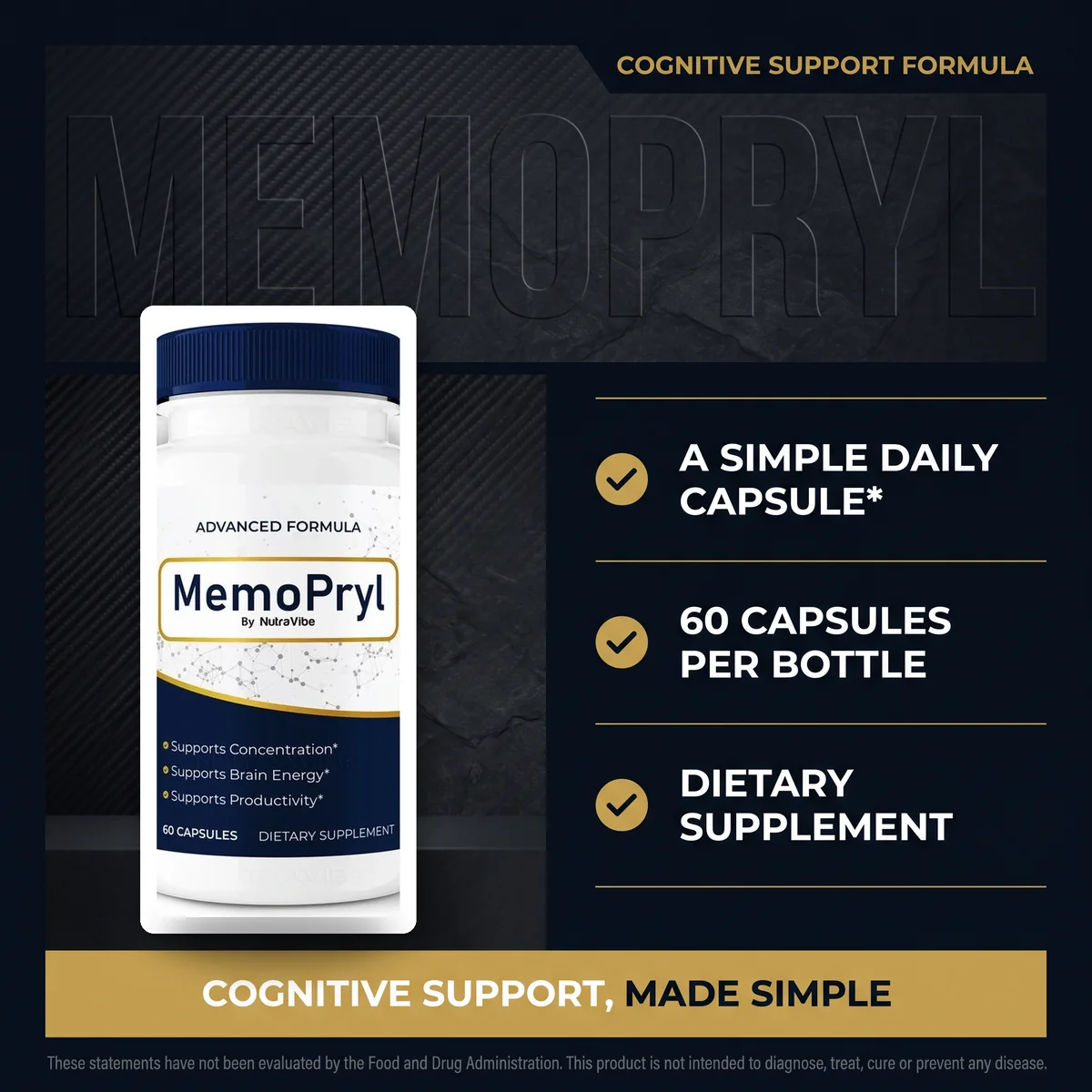
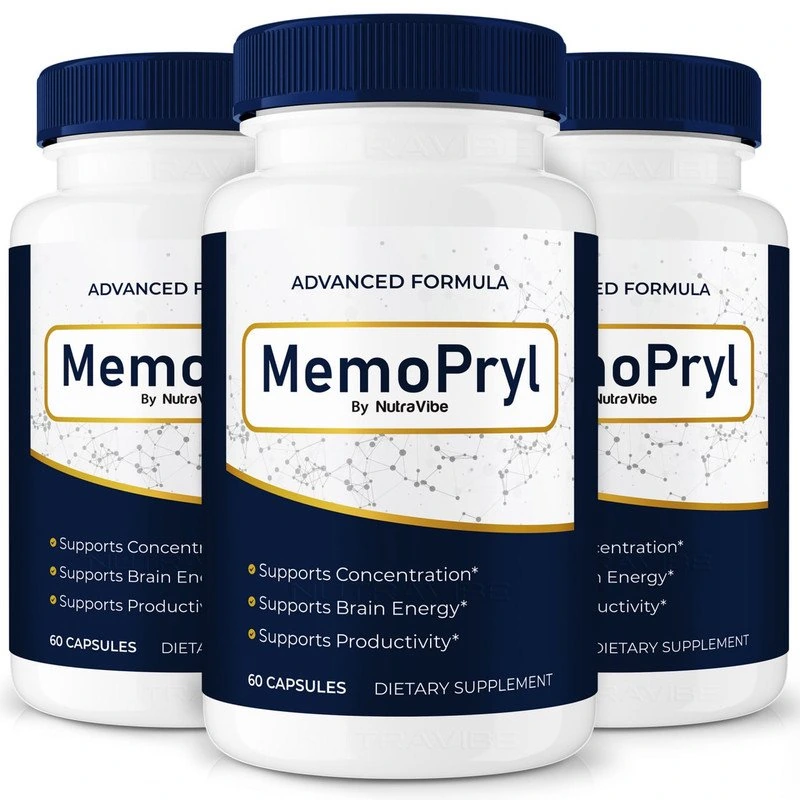
MemoPryl is a stimulant-free botanical blend built around ingredients like Bacopa, Lion’s Mane, Ginkgo and L-Theanine — so it is designed to sit comfortably alongside your coffee rather than pile on more caffeine. Take one capsule with your morning brew and you have an easy, consistent routine. Multi-bottle bundles lower the per-day cost, with a 60-day money-back guarantee.
 See MemoPryl Packages
The mistake to avoid: stacking caffeine without counting
The one real pitfall is losing track of your total caffeine across the day. Health authorities generally consider up to about 400 mg of caffeine a day to be a moderate amount for most healthy adults — roughly four cups of brewed coffee — but everyone’s tolerance differs, and it is easy to blow past your comfortable level without noticing. Add a caffeinated pre-workout, an energy drink, tea and a caffeinated nootropic to your coffee, and the numbers climb fast.
Too much caffeine can bring jitters, a racing heart, anxiety and disrupted sleep — the opposite of the clear, calm focus you were after. So the rule is simple: count all your sources, read your nootropic label, and if the blend already contains a stimulant, moderate your coffee to keep the total sensible. When in doubt, a stimulant-free botanical blend sidesteps the whole issue. Sleep is where the total shows up first. A systematic review of coffee, caffeine and sleep in Sleep Medicine Reviews (2017) is the clearest summary of how much later-in-the-day caffeine costs you at night.
How to combine nootropics and coffee safely
Put it all together and you get a short, practical checklist:
- ✓ Read the label — confirm whether your nootropic contains caffeine before adding coffee.
- ✓ Total your caffeine — count coffee, tea, energy drinks and any stimulant supplements together.
- ✓ Favor L-theanine — a blend with L-theanine can make coffee feel calmer and more focused.
- ✓ Keep it to the morning — avoid late-day caffeine so your sleep stays protected.
- ✓ Ask a professional — if you are pregnant, take medication, or have a heart or anxiety condition, check with your doctor.
Follow those and combining the two is straightforward. For broader safety guidance on cognitive-support supplements — side effects, interactions and who should be cautious — see our guide on whether nootropic supplements are safe.
Coffee alongside, or a step toward less of it?
One last angle worth mentioning: some people use a nootropic with a smaller coffee to get a calmer, steadier focus, while others lean on a botanical blend to gradually cut back on caffeine altogether. Neither is right or wrong. If you find coffee leaves you jittery and crashing, pairing or partially replacing it with a stimulant-free blend can be a gentler way to support focus. If you simply love your coffee, a compatible nootropic can sit happily beside it. The choice is yours — just keep your total caffeine in view and stay consistent with the supplement, since that consistency is what lets the botanicals do their work.
What about tea, decaf and other drinks?
Coffee gets the attention, but it is not the only caffeine in most people’s day. Black and green tea, matcha, cola, energy drinks and even some flavored waters all contribute, and they count toward the same daily total you are tracking. Green tea is a nice example of the theme of this guide, since it naturally contains both caffeine and L-theanine — which is part of why it tends to feel smoother than coffee. Decaf coffee, meanwhile, still contains a small amount of caffeine rather than none, so it is a gentle option rather than a caffeine-free one. The practical takeaway is the same whatever you drink: pair your capsule with whichever morning beverage you enjoy, and simply keep a rough running tally of caffeine from every source so the total stays comfortable for you. Cans are the easiest source to underestimate, which is why we compared nootropics vs energy drinks for focus separately.
Frequently asked questions
Can you take nootropics with coffee?
In most cases you can take a botanical nootropic alongside coffee, and taking a capsule with your morning coffee is a convenient habit. The main caution is total caffeine: if your nootropic already contains caffeine, adding coffee stacks the stimulant, so check the label first.
Why do people combine L-theanine with coffee?
L-theanine is an amino acid known for promoting calm focus, and many people pair it with coffee because it can smooth out the jittery edge of caffeine while keeping the alertness. It is one of the most popular nootropic and coffee combinations.
Is it bad to take caffeine and a caffeinated nootropic together?
Stacking two caffeine sources can add up to more than you intend and lead to jitters, a racing heart or disturbed sleep. Always total your caffeine from all sources, read your nootropic label, and if it already contains a stimulant, moderate your coffee accordingly.
Does coffee stop nootropics from working?
For most botanical nootropics, coffee does not block their action, and taking your capsule with coffee is fine. If you have a specific concern about an ingredient interacting with caffeine, follow the product label and ask your doctor or pharmacist.
Should I take my nootropic with coffee or replace coffee?
That is a personal choice. Some people use a nootropic alongside a smaller coffee for a calmer, steadier focus, while others gradually rely on it to cut back on caffeine. Either can work; the key is watching your total caffeine and staying consistent with the supplement.
| Who we are | An independent team that studies nootropic ingredients, labels and everyday use, then turns it into practical, plain-language guidance. We review every article for accuracy and keep our advice general rather than medical. This content is educational and is not a substitute for advice from your own physician. |
References & further reading
- The combined effects of L-theanine and caffeine on cognitive performance and mood — Nutr Neurosci, 2008 (PubMed PMID 18681988)
- The Cognitive-Enhancing Outcomes of Caffeine and L-theanine: A Systematic Review — Cureus, 2021 (PubMed PMID 35111479)
- Coffee, caffeine, and sleep: A systematic review of epidemiological studies and randomized controlled trials — Sleep Med Rev, 2017 (PubMed PMID 26899133)
- U.S. Food & Drug Administration — Spilling the Beans: How Much Caffeine is Too Much?
- National Center for Complementary and Integrative Health — Herbs at a Glance
- National Institutes of Health, Office of Dietary Supplements — Dietary Supplement Fact Sheets
† These statements have not been evaluated by the FDA. This product is not intended to diagnose, treat, cure or prevent any disease. This article is for general information only and is not medical advice.