Home › Blog › Best Time to Take Nootropics
How-To GuideBest Time to Take Nootropics: Morning, Night or Split?
| Best default | Morning, with breakfast — support lines up with your day. |
| With food? | Follow the label; a meal is gentler and can aid absorption. |
| Avoid | Late-day stimulant doses that can disturb sleep. |
| The real rule | Same time every day beats finding the "perfect" hour. |
Once you have chosen a nootropic, the next question is practical: when should you actually take it? Ask around and you will hear confident opinions about the best time to take nootropics — morning for energy, evening for recovery, split doses for "even coverage." Most of that advice is well-meaning but overcomplicated. This guide cuts through it with a simple framework: match the timing to the ingredients, protect your sleep, and above all take it at the same time every day.
We will cover morning versus evening, taking your capsule with or without food, whether splitting a dose helps, and the one habit that matters more than any clever schedule. By the end you will have a routine you can actually keep — which, with nootropics, is what really counts.
First principle: timing follows the ingredients
There is no universal "best time" because it depends on what is in your bottle. A stimulant like caffeine has an obvious daytime window; a slow-building memory botanical like Bacopa Monnieri barely cares what hour you take it, only that you take it every day. So the starting point is always the label. If you are still deciding what should be on that label in the first place, our nootropic buyer’s guide covers what a quality formula looks like.
Broadly, nootropic ingredients fall into two timing camps: fast-acting compounds whose effect you feel the same day, and build-up botanicals that work gradually over weeks. How each behaves is covered in our timeline on how long nootropics take to work. Your ideal timing depends on which camp dominates your formula. The fast camp is well documented: a study of the combined effects of L-theanine and caffeine in Nutritional Neuroscience (2008) measured changes within the same session, which is exactly what the slow camp does not do.
The case for morning (the sensible default)
For most people, morning is the best time to take a nootropic, and it is our default recommendation for a simple daily blend. Here is why:
- ✓ Support lines up with your day. If a formula includes anything energizing or focus-supporting, you want that during working, studying or driving hours — not while you sleep.
- ✓ It is easy to remember. Breakfast is an anchor most of us hit daily, which makes a morning dose the easiest habit to keep.
- ✓ It protects sleep. Taking your capsule early leaves the whole day for any active ingredients to do their work well before bedtime.
If you take a stimulant-containing product, morning is not just convenient — it is important, because a late caffeine dose is a classic sleep disruptor. The size of that problem is measurable. A systematic review and meta-analysis of caffeine’s effect on subsequent sleep in Sleep Medicine Reviews (2023) found that caffeine taken too late in the day meaningfully shortened and disrupted sleep.
When evening can make sense
Evening dosing is the exception, not the rule. It can be reasonable for a stimulant-free botanical blend if the morning simply does not fit your routine, or if a specific ingredient is traditionally taken later. But there are two cautions: never move a caffeinated product to the evening, and do not assume "night = recovery" for cognitive-support supplements the way it works for some other categories. When in doubt, keep it in the morning.
With food or on an empty stomach?
This one has a clear answer: follow the label first. Beyond that, taking a nootropic with food is a safe general default for two reasons. First, a meal is gentler on the stomach — some botanical extracts can feel harsh taken on an empty stomach. Second, certain fat-soluble ingredients are absorbed better alongside food that contains a little fat. Pairing your capsule with breakfast handles both concerns at once and reinforces the habit. If a product specifically says to take it away from food, follow that instead. If your morning capsule arrives at the same moment as your first coffee, our guide to whether you can take nootropics with coffee covers that combination.
One capsule, one moment in your morning
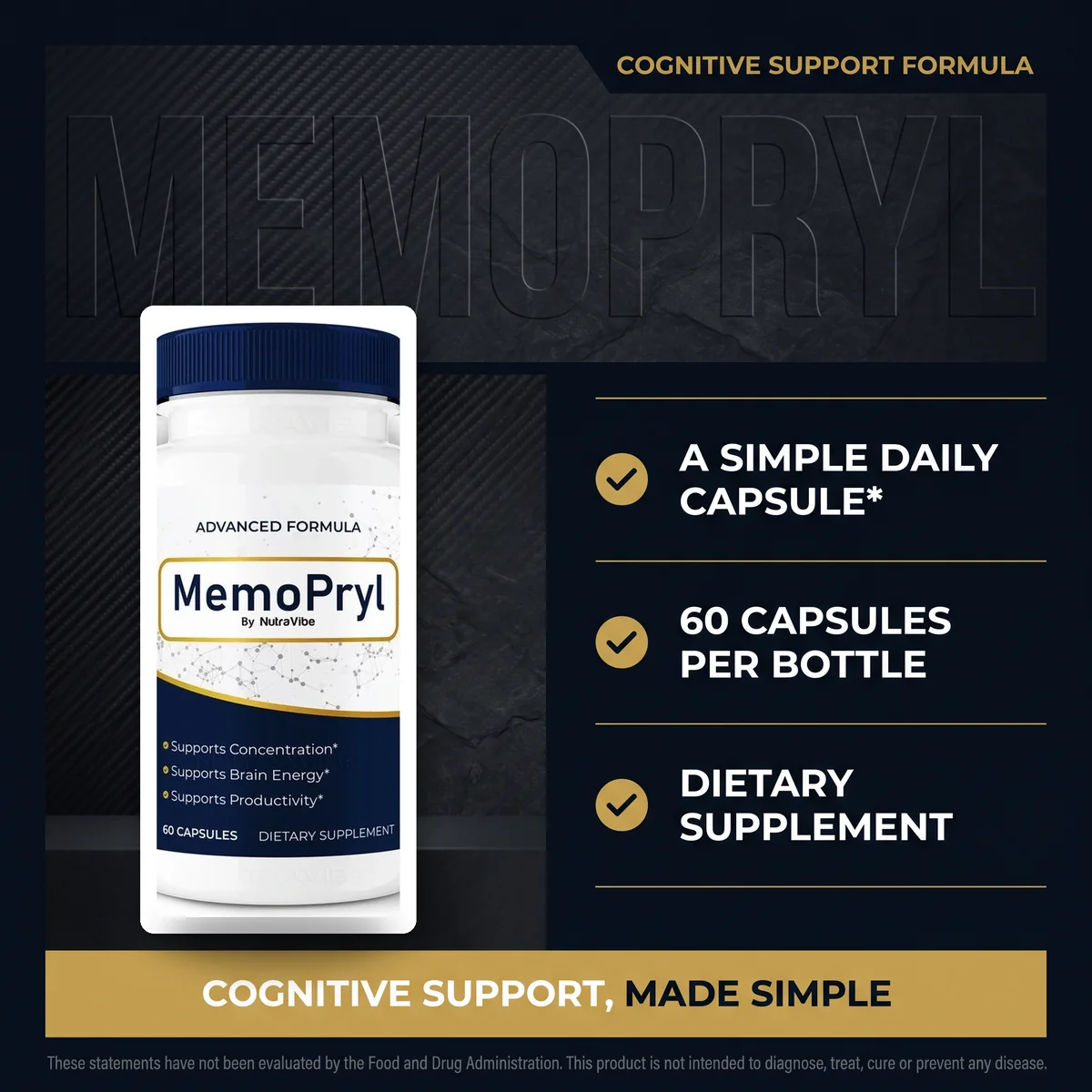
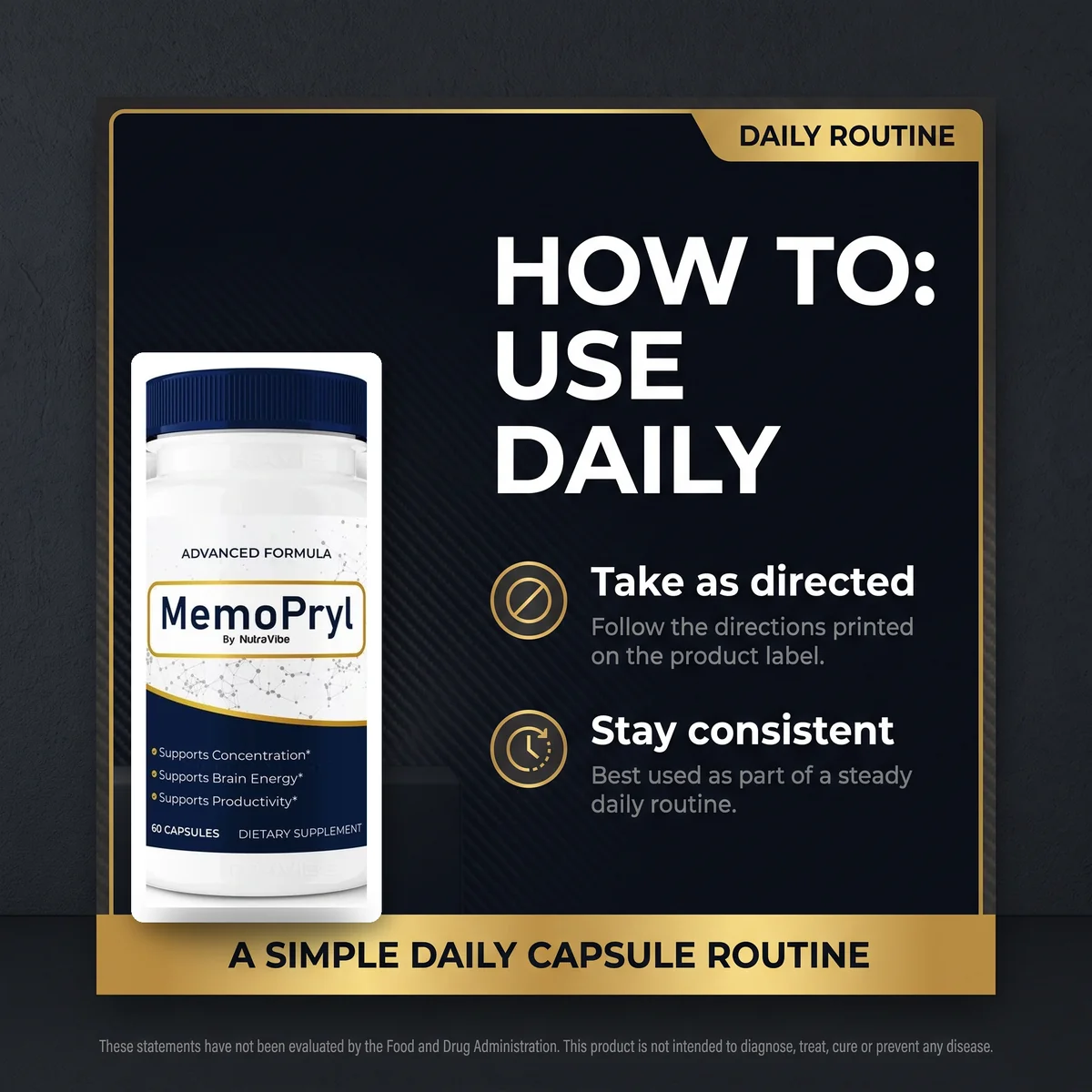
MemoPryl is built as a single once-daily capsule precisely so timing is not a chore — take it with breakfast and you are done. That simplicity is what makes it easy to stay consistent for the weeks that memory botanicals need. Stock up with a multi-bottle bundle to lower the per-day cost, backed by a 60-day money-back guarantee.
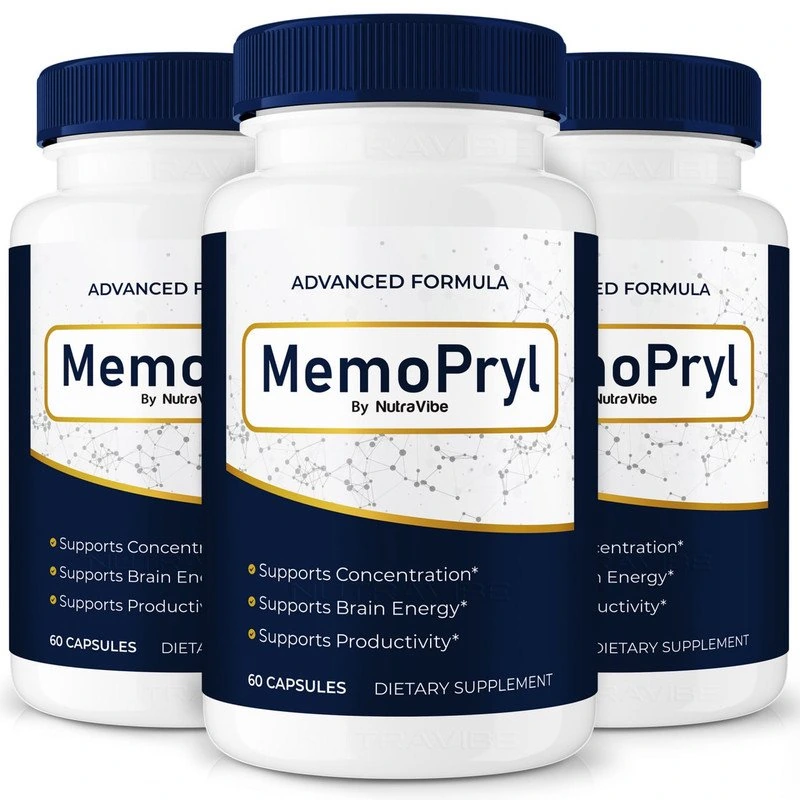 See MemoPryl Packages
Does splitting the dose help?
Some enthusiasts split their intake across the day to keep support "even," and for a few stimulant stacks that has a logic to it. But for a well-formulated once-daily capsule, splitting is usually unnecessary complexity that just makes the habit harder to keep. The product was designed to be taken as directed, in the amount and frequency on the label. Inventing your own split schedule can also make it easier to accidentally take more than intended — and with nootropics, more is not better. If a formula is meant to be taken twice daily, it will say so.
The habit that beats every schedule: consistency
Here is the truth that most timing debates miss. For the botanicals that do the heavy lifting in a memory-and-focus formula, the exact hour barely matters — but taking it every single day matters enormously. Slow-building ingredients like Bacopa rely on a steady daily level in your system that only accumulates with regular use. A perfectly timed dose you take three days a week will do less than an "imperfectly" timed dose you never miss. That is the pattern the trial evidence shows as well: the pooled randomized controlled trials of Bacopa monnieri extract that report benefits ran daily dosing for around twelve weeks, not clever timing.
So the single best thing you can do is anchor your nootropic to something you already do without fail. Next to your coffee maker, beside your toothbrush, with your breakfast — pick a trigger and attach the capsule to it. This "habit stacking" turns remembering into something automatic, which is exactly what a slow-building supplement needs from you.
A simple routine you can copy
If you want a plug-and-play plan, here it is:
- 1. Take your capsule every morning with breakfast.
- 2. Keep the bottle where you eat, so you see it and cannot forget.
- 3. Have a glass of water with it — hydration supports everyday focus anyway.
- 4. Never skip, and give it a full 8–12 week run before you judge results.
That is the whole system. It is deliberately boring, because boring routines are the ones people actually keep — and consistency is where nootropics earn their keep.
What if you miss a day?
Do not panic, and do not "double up" to compensate — taking two doses at once is not how these ingredients work and can push you past the recommended amount. Simply take your normal single dose the next day and carry on. With slow-building botanicals, the occasional missed day barely registers against weeks of steady use; the thing that undermines results is a pattern of skipping, not a single lapse. If you find yourself forgetting often, that is a signal to move your dose to a more reliable anchor in your routine rather than to try to make up lost ground. A calm "just resume tomorrow" mindset keeps the long-term habit intact, which is exactly what matters most for a memory-and-focus formula.
Frequently asked questions
What is the best time of day to take nootropics?
For most people, morning is the best time to take a nootropic so any energizing or focus-supporting ingredients line up with the working day. The single most important thing, however, is taking it at the same time each day so slow-building botanicals accumulate consistently.
Should I take nootropics with or without food?
Follow the label first. Many botanical nootropics are gentler on the stomach when taken with a meal, and some fat-soluble ingredients are better absorbed alongside food. If a product does not specify, taking it with breakfast is a sensible default.
Can taking nootropics late in the day affect sleep?
If your formula contains caffeine or another stimulant, taking it in the afternoon or evening can interfere with sleep. Stimulant-free botanical blends are less likely to do so, but taking any cognitive-support product earlier in the day is the safest habit.
Does it matter if I take my nootropic at different times each day?
Consistency matters more than the exact hour. Slow-building ingredients like Bacopa Monnieri rely on a steady daily level, so anchoring the dose to an existing routine such as breakfast helps you take it reliably and get a fair result.
Is it better to split a nootropic dose across the day?
Some people split doses to keep support even across a long day, but a well-formulated once-daily capsule is designed to be taken in a single dose for simplicity. Always follow the product’s own directions rather than inventing your own schedule.
| Who we are | An independent team that studies nootropic labels, formulation and traditional use, then turns it into practical routines anyone can follow. We review every article for accuracy and favor simple habits that people can actually keep. This content is educational and is not a substitute for advice from your own physician. |
References & further reading
- The combined effects of L-theanine and caffeine on cognitive performance and mood — Nutr Neurosci, 2008 (PubMed PMID 18681988)
- The effect of caffeine on subsequent sleep: A systematic review and meta-analysis — Sleep Med Rev, 2023 (PubMed PMID 36870101)
- Meta-analysis of randomized controlled trials on cognitive effects of Bacopa monnieri extract — J Ethnopharmacol, 2014 (PubMed PMID 24252493)
- National Institutes of Health, Office of Dietary Supplements — Dietary Supplement Fact Sheets
- U.S. Food & Drug Administration — Questions & Answers on Dietary Supplements
- Centers for Disease Control and Prevention — About Sleep and Sleep Health
Build Your Daily Routine with MemoPryl
† These statements have not been evaluated by the FDA. This product is not intended to diagnose, treat, cure or prevent any disease. This article is for general information only and is not medical advice.