Home › Blog › How to Choose a Nootropic Supplement
Buyer’s GuideHow to Choose a Nootropic Supplement: A Buyer’s Guide
| Ingredients | Named, well-researched botanicals — not a vague “brain blend.” |
| Transparency | A full label showing amounts, not a hidden proprietary blend. |
| Quality | GMP-certified, FDA-registered facility, third-party tested. |
| Trust | A real money-back guarantee — and no disease claims. |
Walk down the supplement aisle or scroll an online store and the choice is overwhelming. Every bottle promises “laser focus” and “razor-sharp memory,” and the prices swing wildly for products that look identical from the front. So how do you choose a nootropic supplement that is actually worth your money instead of a jar of hope with a nice label?
The good news is that you do not need a pharmacology degree. You need a short checklist and the willingness to turn the bottle over and read the back. This buyer’s guide walks through exactly what to look for, what to be skeptical of, and how to make a confident choice.
Step 1: Read the ingredient list, not the front of the label
The front of a supplement is marketing. The back is the truth. Start there. A credible nootropic names specific, well-studied ingredients — not a mysterious “cognitive matrix.” Look for recognizable, research-backed names such as Bacopa Monnieri, Lion’s Mane, Ginkgo Biloba, Rhodiola Rosea, L-Theanine and Phosphatidylserine. If you are unsure what each one does, our guide to the best nootropic ingredients for memory and focus breaks them down by job. It helps to know which names have human data behind them before you read a single one: the systematic review of plant-derived nootropics and human cognition in Critical Reviews in Food Science and Nutrition (2023) is a usable shortlist.
Be wary of a list that is padded with cheap fillers, artificial colors, or a dozen vaguely named “proprietary” extracts that you cannot verify. More ingredients is not automatically better — a focused, sensible formula beats a kitchen-sink blend of trace amounts every time.
Step 2: Check the doses and the proprietary-blend trap
This is where many products quietly fall down. An ingredient only helps if it is present in a meaningful amount. A great botanical listed at a token dose is just decoration on the label — sometimes called “fairy dusting.”
The biggest obstacle to checking this is the proprietary blend. This is when a brand lists several ingredients under a single combined weight — say “Focus Blend 500 mg” — without telling you how much of each is inside. It is not automatically a scam, but it makes it impossible to know whether the star ingredient makes up 90% of that blend or 2%. Whenever you can, prefer a fully transparent label that shows the amount of each ingredient. Transparency is a sign a company is proud of what is actually in the bottle.
Step 3: Look for real quality seals
You want to know the product was made carefully and contains what it claims. A few signals do a lot of the work here: Seals matter because the alternative has been measured: an analysis of the labelling accuracy of “natural” dietary supplements in Food Chemistry (2022) showed how far an unverified bottle can stray from its own label.
- ✓ GMP-certified — made under Good Manufacturing Practices, an audited quality standard.
- ✓ Made in an FDA-registered facility — the site is registered and subject to inspection.
- ✓ Third-party tested — an outside lab verifies purity and potency.
- ✓ Non-GMO, made in the USA — useful sourcing and quality indicators.
None of these prove a formula “works,” but together they are a reasonable baseline that you are buying a clean, consistent product rather than an unknown. If a brand shows none of them, ask why. A 2024 study in JAMA Network Open examining the label accuracy of dietary supplements marketed online makes the same point about products sold purely online, where nobody is checking the shelf.
Step 4: Judge the company, not just the pills
A trustworthy supplement comes from a trustworthy company. Two quick tests: is there a genuine, no-nonsense money-back guarantee (30 to 60 days is common), and is the brand honest about what a supplement can and cannot do? A real guarantee lets you try a product with far less risk, and it signals the company expects you to be satisfied.
Just as important is what a company does not say. Which brings us to the single most useful filter of all. It is also worth knowing what the law actually requires before you judge a claim, which is what our explainer on whether nootropics are FDA approved is for.
Step 5: Run from disease claims (the biggest red flag)
Supplements support general wellness; they do not cure diseases. Any product that claims to “cure” memory loss, “reverse” a diagnosed condition, or “treat” a named illness is making a claim it is not allowed to make — and that is a bright red flag about the whole operation. Honest cognitive-support language talks about supporting memory, focus and clarity, not curing anything. If the marketing sounds too good to be true, trust that instinct.
A formula built to pass this checklist
MemoPryl uses named, well-researched botanicals — Bacopa Monnieri, Lion’s Mane, Ginkgo Biloba, Rhodiola and L-Theanine — made in an FDA-registered, GMP-certified facility in the USA, and backed by a 60-day money-back guarantee.
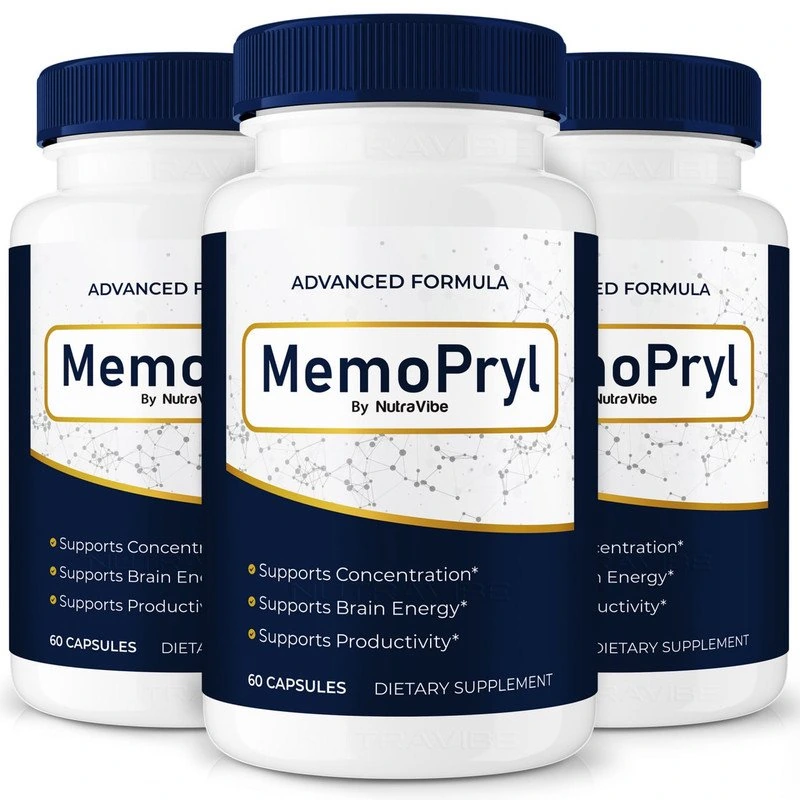 See MemoPryl Packages
Step 6: Match the format to your life
Finally, think about how you will actually take it. A once-a-day capsule is the easiest habit to keep, and consistency matters more than almost anything else with nootropics — memory botanicals like Bacopa are traditionally taken daily over several weeks. Powders and stacks of separate pills give you control but are far easier to skip. If you know you will not manage a five-step morning ritual, a single capsule blend is the realistic choice.
Still weighing your options? If safety is your main concern, read are nootropic supplements safe, and if you cannot decide between one big blend and buying ingredients one at a time, our blend vs single-ingredient comparison lays out the trade-offs in plain terms.
The 60-second buying checklist
Before you check out, run this quick pass:
- 1. Are the ingredients named and recognizable?
- 2. Can I see the amount of each one (no hidden blend)?
- 3. Are there real quality seals (GMP, FDA-registered facility)?
- 4. Is there a genuine money-back guarantee?
- 5. Does it avoid disease and “miracle” claims?
- 6. Will I realistically take it every day?
Tick those six boxes and you have filtered out the vast majority of low-quality products. The rest comes down to your budget and which ingredients match your goals.
Match the formula to your goal
Once a product passes the quality checklist, the last question is whether its ingredients match what you actually want. A nootropic is not one-size-fits-all, and the right pick depends on your main goal:
- ✓ Everyday memory and recall — look for a memory anchor like Bacopa Monnieri and Phosphatidylserine at the core of the formula.
- ✓ On-task focus and clarity — Lion’s Mane and Ginkgo Biloba tend to lead here, ideally with L-Theanine for a calm rather than wired feel.
- ✓ Staying sharp through a long day — adaptogens like Rhodiola Rosea and Panax Ginseng support mental stamina past the mid-afternoon dip.
- ✓ All of the above — a well-built blend covers every group at once, which is why most people choose one rather than juggling several products.
The mistake to avoid is buying on marketing adjectives rather than on the ingredients that serve your goal. A bottle that shouts “ultra focus” but contains mostly a stimulant is a very different product from one built around memory botanicals — even if the front labels look similar. Turn the bottle over, match the actual ingredients to your goal, and the decision usually makes itself.
Frequently asked questions
What should I look for when choosing a nootropic supplement?
Look for named, well-researched ingredients at sensible amounts, a transparent label rather than a hidden proprietary blend, third-party quality manufacturing such as GMP, and a company that offers a real money-back guarantee. Avoid grand disease claims, which are a red flag.
What is a proprietary blend and should I avoid it?
A proprietary blend lists several ingredients under one total weight without saying how much of each is included. It is not automatically bad, but it makes it impossible to know whether the key ingredients are present in useful amounts, so many informed buyers prefer fully transparent labels.
How much should a good nootropic supplement cost?
Price varies widely, but a well-formulated multi-ingredient blend usually costs more than a single cheap extract because it contains several quality botanicals. Multi-bottle bundles typically lower the per-day cost, and a money-back guarantee lets you try it with less risk.
Do nootropic quality seals like GMP actually matter?
Yes. Seals such as GMP-certified, made in an FDA-registered facility, and third-party tested indicate the product is made under controlled, audited conditions. They do not prove a formula works, but they are a reasonable baseline for quality and consistency.
Single ingredient or a blend for a first-time buyer?
For most people wanting broad everyday support, a well-formulated blend is simpler than buying several single ingredients separately. If you only want to target one specific thing, a single ingredient can make sense. Our blend versus single-ingredient guide covers the trade-offs.
| Who we are | An independent team that studies nootropic labels, formulation and quality standards, then turns it into buying advice anyone can use. We review every article for accuracy and keep our checklists current. This content is educational and is not a substitute for advice from your own physician. |
References & further reading
- Plant-derived nootropics and human cognition: A systematic review — Crit Rev Food Sci Nutr, 2023 (PubMed PMID 34978226)
- Analytical strategies to determine the labelling accuracy and economically-motivated adulteration of "natural" dietary supplements in the marketplace: Turmeric case study — Food Chem, 2022 (PubMed PMID 34507212)
- Label Accuracy of Weight Loss Dietary Supplements Marketed Online With Military Discounts — JAMA Netw Open, 2024 (PubMed PMID 38691359)
- U.S. Food & Drug Administration — Dietary Supplements overview
- Federal Trade Commission — Dietary Supplements: consumer guidance
- National Institutes of Health, Office of Dietary Supplements — Dietary Supplement Fact Sheets
† These statements have not been evaluated by the FDA. This product is not intended to diagnose, treat, cure or prevent any disease. This article is for general information only and is not medical advice.