Home › Blog › Nootropic Blend vs Single Ingredient
Buying DecisionNootropic Blend vs Single Ingredient: Which Should You Buy?
| All-in-one blend | One daily dose covers memory, focus and stamina. Simplest to stick with. |
| Single ingredient | Full control over one dose — good for targeting or testing one botanical. |
| Cost | Buying 5–6 quality singles usually costs more per day than one good blend. |
| For most people | A transparent blend wins on convenience and consistency. |
Once you decide to try nootropics, a practical fork in the road appears: do you buy a single all-in-one nootropic blend, or assemble your own routine from single-ingredient bottles? It is a genuine buying decision with real consequences for your wallet, your morning routine, and how likely you are to actually keep it up. This guide lays out both paths honestly so you can pick the one that fits.
Neither option is “wrong.” But they suit different people and different goals, and knowing the trade-offs up front saves you money and frustration later.
The case for an all-in-one blend
A blend combines several nootropic ingredients into one product — typically a memory anchor like Bacopa Monnieri, a focus ingredient like Lion’s Mane, a circulation supporter like Ginkgo Biloba, a stamina adaptogen like Rhodiola, and a calm-focus amino acid like L-Theanine. The whole line-up in a single daily capsule. There is a decent case for breadth in the literature too: the systematic review of plant-derived nootropics and human cognition in Critical Reviews in Food Science and Nutrition (2023) covers a set of botanicals that work through visibly different mechanisms.
The advantages are practical and add up fast:
- ✓ Convenience — one dose, once a day. No pill organizer, no juggling five jars.
- ✓ Consistency — the biggest predictor of results with nootropics is simply taking them daily, and one capsule is far easier to keep up than a six-step ritual.
- ✓ Coverage — memory, focus and stamina are addressed together rather than one at a time.
- ✓ Value — one well-priced product usually costs less than buying every ingredient separately.
The main catch is control: you take the formulator’s ratios, not your own. That is why a transparent label matters so much — more on that below.
The case for single ingredients
Buying single-ingredient bottles — Bacopa here, Lion’s Mane there — is the “build your own stack” approach. Its appeal is total control: you set the exact dose of each ingredient, you can add or drop one at will, and you can test how you personally respond to a single botanical before adding another. Single ingredients are also how the evidence was generated in the first place — a meta-analysis of randomized controlled trials on Bacopa monnieri extract tested one extract on its own, which is why its findings are so often quoted.
That makes single ingredients a good fit for two groups: experienced users who know exactly what they want and enjoy fine-tuning, and people with a single, specific goal — say, they only want L-Theanine to smooth out their coffee. If you want to isolate one variable, a single ingredient is the only clean way to do it.
The costs are equally real, though. You end up taking more pills, paying for more bottles, and doing the research to understand how the ingredients work together and at what amounts. And the more steps a routine has, the more likely you are to skip it — which, with nootropics, quietly defeats the purpose.
Cost: does buying separately actually save money?
This is the assumption worth testing, because it usually does not hold. Assembling five or six quality single-ingredient products — each one a well-sourced botanical — typically costs more in total, and more per day, than a single well-formulated blend. A blend buys the ingredients in one go and passes on the efficiency. And because blends are often sold in multi-bottle bundles, the per-day cost tends to drop further when you buy a few months at once. Where singles can win on price is if you genuinely only want one or two ingredients, not a full stack. If the deciding factor is the total bill rather than the number of jars, our honest look at whether nootropics are worth the money runs the per-day arithmetic.
The whole line-up in one daily capsule
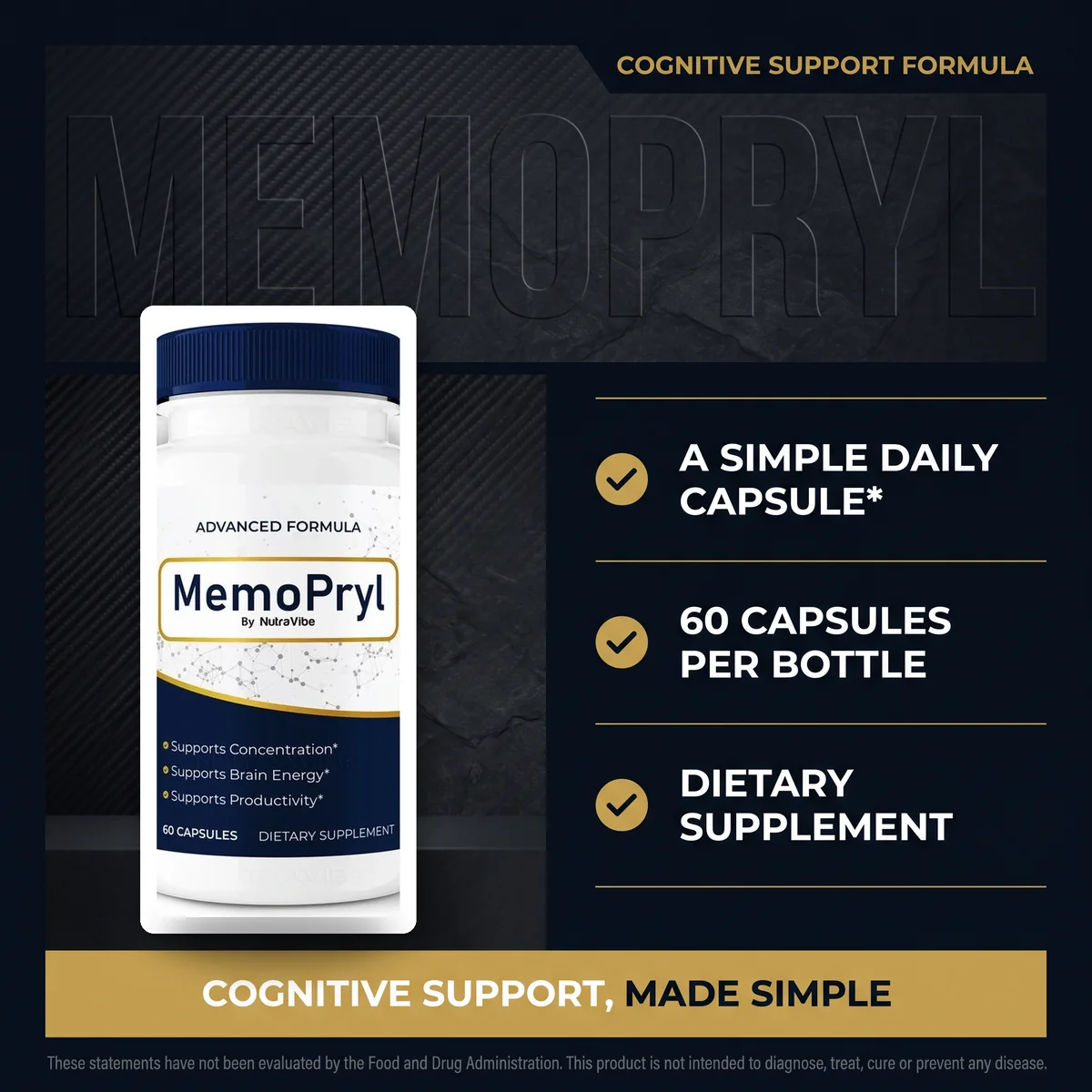
MemoPryl combines Bacopa Monnieri, Lion’s Mane, Ginkgo Biloba, Rhodiola and L-Theanine in a single transparent formula — so you skip the ten-jar routine and just take one capsule a day. Multi-bottle bundles lower the per-day cost, backed by a 60-day money-back guarantee.
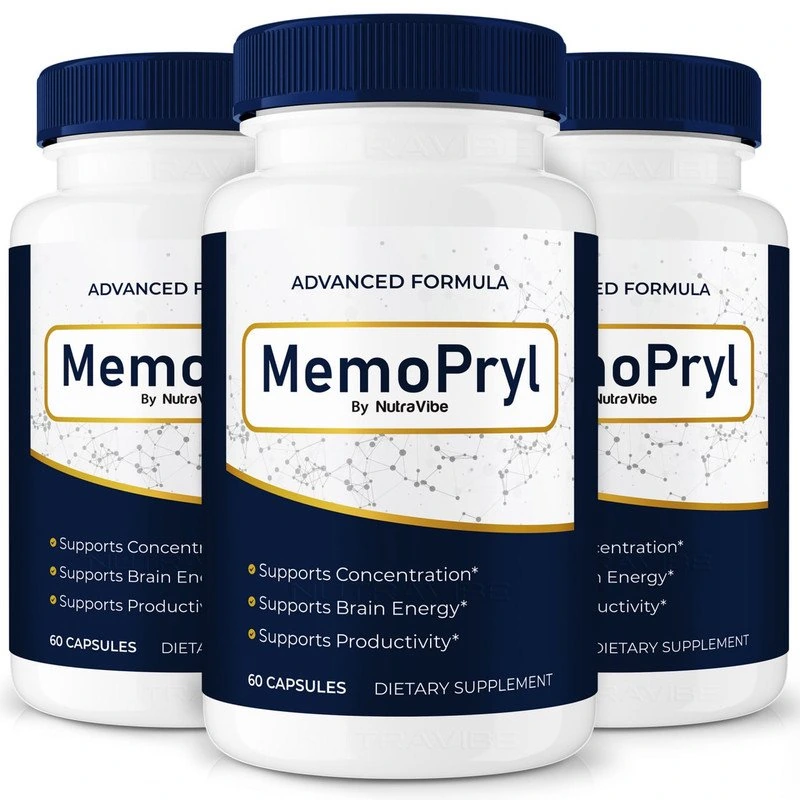 See MemoPryl Packages
The one thing that decides it: the label
Whether a blend is a smart buy or a waste of money comes down to one thing — whether you can see how much of each ingredient it contains. A great blend uses a transparent panel that lists the amount of every ingredient. A weak one hides everything inside a single “proprietary blend” weight, so you cannot tell whether the star botanical is a meaningful dose or a sprinkle. If you cannot read the amounts, you cannot judge the value — and at that point a single ingredient you can verify may genuinely be the safer buy. Our buyer’s guide to choosing a nootropic supplement covers exactly how to read that panel. The label is the whole argument, and there is data on why: an analysis of the labelling accuracy of “natural” dietary supplements in Food Chemistry (2022) found real gaps between what a bottle claims and what it holds.
How to decide, in one line
Choose a blend if you want broad, everyday support with the least fuss and the best odds of keeping the habit — which describes most people. Choose single ingredients if you have one specific target, want full control, or like to experiment one variable at a time. And if you are still weighing plant-based options against lab-made ones, read natural vs synthetic nootropics before you buy either way.
Above all, remember the rule that outranks this whole debate: the best nootropic — blend or single — is the one you will actually take every day.
A quick real-world cost example
Numbers make this clearer than any argument. Imagine you want a fairly complete routine: a memory botanical, a focus ingredient, a circulation supporter, an adaptogen for stamina, and a calm-focus amino acid. That is five separate ingredients. Buying each as its own quality single-ingredient bottle means five purchases, five price tags, and often five different re-order dates to keep track of. Even at modest prices, five good botanicals add up quickly — and you are paying separate packaging, sourcing and shipping costs baked into each one.
Now compare that to a single well-formulated blend that contains the same five ingredients. You make one purchase, pay one price, and take one capsule. Because the manufacturer buys and packages everything together, the per-day cost is usually lower than assembling the equivalent stack yourself — and multi-bottle bundles typically bring it down further, since a three- or six-bottle order spreads the cost across more days. For the specific goal of “broad daily support at the best price,” the blend almost always wins the math.
Where the singles route genuinely competes on cost is the narrow case: you only want one or two ingredients, so there is no stack to consolidate. If all you want is L-Theanine, buying L-Theanine is obviously cheaper than a five-ingredient blend. The lesson is to match the format to the size of your goal — and for most people, that goal is broad, which points to a blend.
Frequently asked questions
Is a nootropic blend better than a single ingredient?
For most people who want broad everyday support, an all-in-one blend is more convenient and covers memory, focus and stamina in a single daily dose. A single ingredient makes sense if you want to target one specific effect or test how you respond to one botanical at a time.
Is it cheaper to buy nootropics separately?
Not usually, once you add it up. Buying five or six quality single-ingredient bottles typically costs more in total and more per day than one well-priced blend, and multi-bottle bundles of a blend usually lower the per-day cost further.
Can I combine single ingredients to make my own stack?
Yes, experienced users build their own stacks for full control over each dose. The downsides are cost, the hassle of taking many pills, and the need to research how ingredients work together. For most people a ready-made blend is simpler and more reliable to stick with.
How do I know a blend has enough of each ingredient?
Read the label. A good blend uses a transparent panel showing the amount of each ingredient rather than hiding them inside a single proprietary-blend weight. If you cannot see the individual amounts, you cannot judge whether the key ingredients are present in useful doses.
Which is better for a beginner?
A well-formulated blend is usually the easier starting point for a beginner because it is one simple daily habit and covers several goals at once. You can always explore single ingredients later if you want to fine-tune.
| Who we are | An independent team that studies nootropic formulation, labeling and value, and turns it into practical buying advice. We review every article for accuracy and keep our cost comparisons current. This content is educational and is not a substitute for advice from your own physician. |
References & further reading
- Plant-derived nootropics and human cognition: A systematic review — Crit Rev Food Sci Nutr, 2023 (PubMed PMID 34978226)
- Meta-analysis of randomized controlled trials on cognitive effects of Bacopa monnieri extract — J Ethnopharmacol, 2014 (PubMed PMID 24252493)
- Analytical strategies to determine the labelling accuracy and economically-motivated adulteration of "natural" dietary supplements in the marketplace: Turmeric case study — Food Chem, 2022 (PubMed PMID 34507212)
- National Institutes of Health, Office of Dietary Supplements — Dietary Supplement Fact Sheets
- Federal Trade Commission — Dietary Supplements: consumer guidance
- National Center for Complementary and Integrative Health — Using Dietary Supplements Wisely
† These statements have not been evaluated by the FDA. This product is not intended to diagnose, treat, cure or prevent any disease. This article is for general information only and is not medical advice.