Home › Blog › Are Nootropics Worth the Money?
Buying DecisionAre Nootropics Worth the Money? An Honest Cost Breakdown
| Short answer | Worth it if you buy a transparent, well-dosed formula and give it a fair trial. |
| Real cost | Often about the price of a daily coffee; bundles lower it further. |
| False economy | The cheapest bottle is usually a hidden blend or token doses. |
| Lower the risk | Buy where there is a genuine money-back guarantee. |
It is a fair, slightly skeptical question, and you should ask it before spending a cent: are nootropics worth the money? Supplements are a big industry, marketing runs hot, and nobody wants to pour cash into a jar of hope. The honest answer is not a simple yes or no — it is "it depends on what you buy and what you expect." This breakdown walks through what a nootropic really costs, what drives that price, how to avoid the false economy of the cheapest bottle, and how to decide whether it is worth it for you.
We will keep it grounded and non-hyped. No supplement is a magic shortcut, and anything promising one is a red flag. But a quality cognitive-support product, bought sensibly and given a fair chance, can be a reasonable, low-cost part of an everyday routine. Here is how to judge the value for yourself.
What a nootropic actually costs (think per day, not per bottle)
The first mistake shoppers make is comparing sticker prices per bottle. A bigger number is not automatically worse value, and a smaller one is not automatically a bargain. The figure that matters is cost per day: the bottle price divided by how many days it lasts.
Do that math and a multi-ingredient botanical blend often lands somewhere around the price of a single daily coffee. Framed that way, the question changes from "can I justify a supplement?" to "is everyday memory and focus support worth roughly what I already spend on a latte?" For many people, that is a much easier decision. And crucially, multi-bottle bundles almost always drop the per-day cost, because you are buying several months at once rather than one bottle at retail.
What you are actually paying for
Why do two bottles that look identical from the front cost wildly different amounts? The price of an honest nootropic reflects real things:
- ✓ Number of quality ingredients — a formula with several well-researched botanicals costs more to make than a single cheap extract.
- ✓ The amounts used — meaningful doses of good ingredients cost more than token "fairy-dusted" traces.
- ✓ Manufacturing standards — GMP certification, an FDA-registered facility and third-party testing all add cost and confidence.
- ✓ Sourcing — non-GMO, USA-made ingredients are pricier than the cheapest bulk alternatives.
In other words, a higher price often buys you more of what actually matters. The key is confirming that with the label rather than taking it on faith — which is where the false economy trap comes in. It also buys ingredients that have actually been looked at. The systematic review of plant-derived nootropics and human cognition in Critical Reviews in Food Science and Nutrition (2023) is a reasonable map of which botanicals have human data behind them and which are along for the ride.
The false economy of the cheapest bottle
A rock-bottom price is tempting, but it is frequently a warning sign. To hit that number, a product usually cuts corners in ways you cannot see from the front: a proprietary blend that hides how little of each ingredient is inside, token doses that look impressive on the label but do too little, or simply very few active ingredients padded with fillers. There is a measurable side to that suspicion: an analysis of the labelling accuracy and economically motivated adulteration of “natural” supplements in Food Chemistry (2022) documented how far the contents of a cheap bottle can drift from its label.
Paying less for a product that contains too little of what you actually want is not saving money — it is spending money on something unlikely to help. That is the real waste people mean when they ask if nootropics are "worth it." The way to avoid it is to read the back of the label: our nootropic buyer’s guide shows exactly what a good one looks like, and our blend vs single-ingredient comparison helps you decide whether an all-in-one or a DIY stack is better value for your goals.
Value built in: bundles + a real guarantee
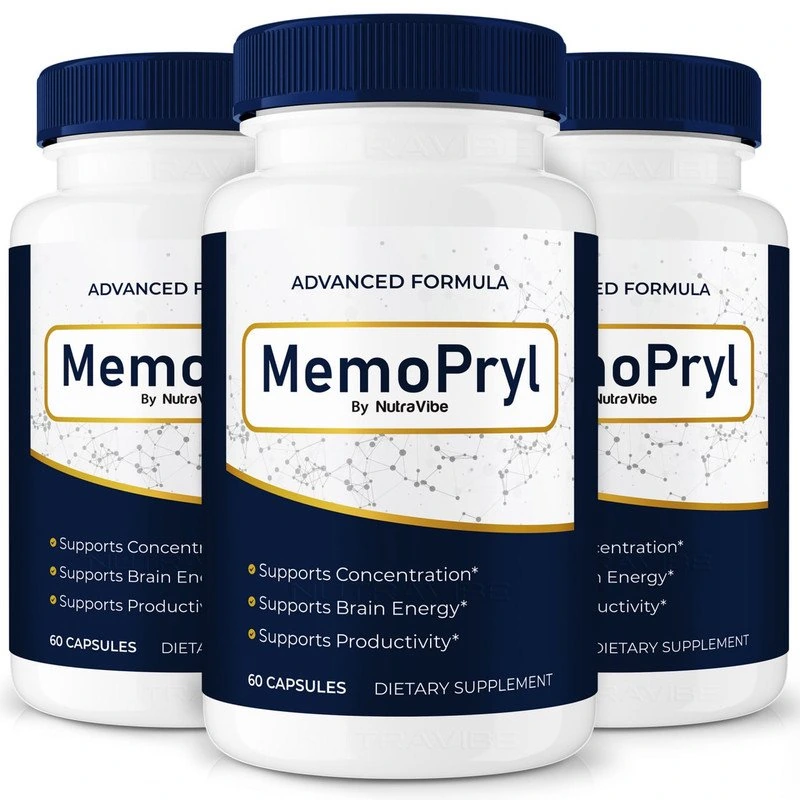
MemoPryl is priced to make a fair trial easy. Multi-bottle bundles bring the per-day cost down to cover the full 8-to-12-week window that memory botanicals need, and every order is backed by a 60-day money-back guarantee — so the downside of trying it is genuinely limited. That combination is what "worth the money" looks like in practice.
 See MemoPryl Packages
How a money-back guarantee changes the math
Here is the part that de-risks the whole decision. A genuine money-back guarantee — 60 days is common — means the real question is not "what if it does not work for me?" but "is it worth trying at essentially limited downside?" A guarantee that covers a full trial period lets you take the product long enough for slow-building botanicals to show up (see our timeline on how long nootropics take to work) and still get your money back if you are not satisfied. When a company offers that, it is signaling confidence — and it shifts most of the financial risk off you.
When a nootropic is (and isn’t) worth it for you
Value is personal. A nootropic is more likely to be worth it if:
- ✓ You genuinely value everyday memory, focus and mental clarity as part of your routine.
- ✓ You are willing to take it consistently for a full trial rather than expecting overnight magic.
- ✓ You choose a transparent, well-dosed formula from a reputable maker with a guarantee.
It is less likely to be worth it if you are chasing a dramatic, drug-like effect, if you will not take it consistently, or if you buy on price alone and end up with a hidden-blend bargain. And it is never a substitute for the free fundamentals — sleep, exercise, hydration and managing stress — which do more for your brain than any capsule. A good nootropic complements those habits; it does not replace them. The size of the effect matters to the value calculation. A meta-analysis of randomized controlled trials on Bacopa monnieri extract described benefits that are real but modest and slow to arrive, which is a poor match for anyone expecting a drug-like jolt for their money.
The bottom line
Are nootropics worth the money? A well-chosen one, bought as a bundle to lower the per-day cost, backed by a real guarantee, and given a fair trial, can be a sensible and affordable everyday investment for people who value cognitive support — often for about what you spend on coffee. A cheap, opaque bottle bought on hype usually is not. The product you pick matters far more than the category, so spend your attention on the label, not the marketing.
How the value compares to the alternatives
It also helps to weigh a nootropic against what people spend it alongside, not in a vacuum. Many buyers are already paying for daily coffee, energy drinks or a pre-workout — a stimulant hit that fades within hours and does nothing for long-term memory support. Seen next to that recurring spend, a once-daily botanical blend that also carries a money-back guarantee can look like the more considered use of the same budget rather than an extra expense. None of this makes a supplement essential, and the free fundamentals still come first. But if you are going to spend on your focus anyway, comparing options on cost per day and on what each one actually delivers is how you make the money work rather than simply spending more.
Frequently asked questions
Are nootropics worth the money?
A quality nootropic can be worth it if you value everyday memory, focus and clarity, choose a transparent, well-formulated product, and give it a fair trial. Cheap products with hidden blends or token doses are more likely to be a waste, so value depends heavily on which product you buy.
How much do nootropics cost per day?
Cost varies widely, but a multi-ingredient botanical blend often works out to roughly the price of a daily coffee, and multi-bottle bundles usually lower the per-day cost further. Compare on cost per day rather than sticker price per bottle.
Why are some nootropics so much more expensive than others?
Price reflects the number and quality of ingredients, the amounts used, and manufacturing standards such as GMP and third-party testing. A formula with several quality botanicals at meaningful doses costs more to make than a single cheap extract or a filler-heavy blend.
How can I try a nootropic without wasting money?
Buy from a company that offers a genuine money-back guarantee, ideally 60 days or more, so a full trial is low-risk. Consider a multi-bottle bundle to cover the 8 to 12 week window slow-building botanicals need at a lower per-day cost.
Are cheap nootropics a bad idea?
Not always, but a very low price often signals a proprietary blend, token doses or few active ingredients. The cheapest bottle is a false economy if it contains too little of the ingredients you are paying for. Judge value by the label, not the sticker price.
| Who we are | An independent team that studies nootropic labels, pricing and formulation, then turns it into practical buying advice. We review every article for accuracy and keep our value claims honest and non-hyped. This content is educational and is not a substitute for advice from your own physician. |
References & further reading
- Plant-derived nootropics and human cognition: A systematic review — Crit Rev Food Sci Nutr, 2023 (PubMed PMID 34978226)
- Analytical strategies to determine the labelling accuracy and economically-motivated adulteration of "natural" dietary supplements in the marketplace: Turmeric case study — Food Chem, 2022 (PubMed PMID 34507212)
- Meta-analysis of randomized controlled trials on cognitive effects of Bacopa monnieri extract — J Ethnopharmacol, 2014 (PubMed PMID 24252493)
- Federal Trade Commission — Dietary Supplements: consumer guidance
- U.S. Food & Drug Administration — Dietary Supplements overview
- National Institutes of Health, Office of Dietary Supplements — Dietary Supplement Fact Sheets
See MemoPryl’s Best-Value Bundles
† These statements have not been evaluated by the FDA. This product is not intended to diagnose, treat, cure or prevent any disease. This article is for general information only and is not medical advice.