Home › Blog › Natural vs Synthetic Nootropics
Comparison GuideNatural vs Synthetic Nootropics: What’s the Difference?
| Natural | Plant, mushroom and food-derived — Bacopa, Lion’s Mane, Ginkgo. Long traditional-use record. |
| Synthetic | Lab-made compounds like the racetams. Newer, often more potent, less studied long-term. |
| Regulation | Botanical supplements are widely available; many synthetics have unclear or restricted status. |
| For most people | A natural botanical blend is the gentler, better-established everyday starting point. |
If you have spent any time in nootropic forums, you have run into a fault line that divides the whole community: natural vs synthetic nootropics. On one side are plant-based botanicals with centuries of traditional use. On the other are precisely engineered compounds made in a lab. Both aim to support memory, focus and mental clarity — but they get there in very different ways, and they suit very different people.
This guide explains the real difference, the honest pros and cons of each, and how to decide which category fits your goals and your appetite for risk. No hype, no tribalism — just a clear map of the two worlds.
What are natural nootropics?
Natural nootropics come from whole-food sources — plants, herbs, roots and mushrooms. They are the ingredients most people picture when they think of a cognitive-support supplement, and many have been used in traditional practice for hundreds of years. The headline names include:
- ✓ Bacopa Monnieri — an Ayurvedic herb traditionally used to support memory and learning.
- ✓ Lion’s Mane mushroom — valued for supporting focus and healthy nerve function.
- ✓ Ginkgo Biloba — long used to support healthy circulation to the brain.
- ✓ Rhodiola Rosea — an adaptogen used to support resilience under mental strain.
- ✓ L-Theanine — the calming amino acid from tea, prized for calm-focus.
Their big appeal is a long track record and a gentle, cumulative style of support. For a deeper look at each, see our guide to the best nootropic ingredients for memory and focus.
What are synthetic nootropics?
Synthetic nootropics are compounds created in a laboratory rather than extracted from a plant. The best-known family is the racetams — piracetam and its relatives — developed originally in a research context. Because they are engineered, synthetics are often more targeted and, in some cases, more potent or faster-acting than a botanical.
That precision comes with trade-offs. Many synthetics are newer, with less long-term human data than a centuries-old herb. Their legal and regulatory status varies widely by country — some are unapproved for sale as supplements, some are prescription-only elsewhere, and quality control in the grey market can be inconsistent. In practice, synthetics attract experimenters and advanced “biohackers” more than people who just want a simple daily wellness habit.

Head to head: the honest trade-offs
Track record
Natural leads. Botanicals like Bacopa have been used for centuries and are among the most-studied cognitive ingredients. Most synthetics are decades old at best, with thinner long-term data. The botanical side is also the better-mapped side: the systematic review of plant-derived nootropics and human cognition in Critical Reviews in Food Science and Nutrition (2023) exists precisely because there is enough human data on plants to review.
Potency and speed
Synthetics can lead here. Some are designed to be more potent or faster-acting. Natural botanicals tend to build gradually with daily use — a feature for steady support, a drawback if you want an instant effect.
Regulation and availability
Natural leads. Established botanical supplements are widely and legally available and made under standards like GMP. Many synthetics sit in a legal grey zone, which raises real questions about sourcing and purity. Some of these botanicals have even reached formal clinical guidance — the WFSBP and CANMAT taskforce guidelines on nutraceuticals and phytoceuticals in the World Journal of Biological Psychiatry (2022) grade them ingredient by ingredient, which is not something most synthetics can claim.
Predictability of the experience
Natural is gentler. A well-formulated botanical blend gives a mild, cumulative kind of support. Synthetics can be more hit-or-miss between individuals, and the margin for a too-high dose can be smaller.
The natural route, done properly
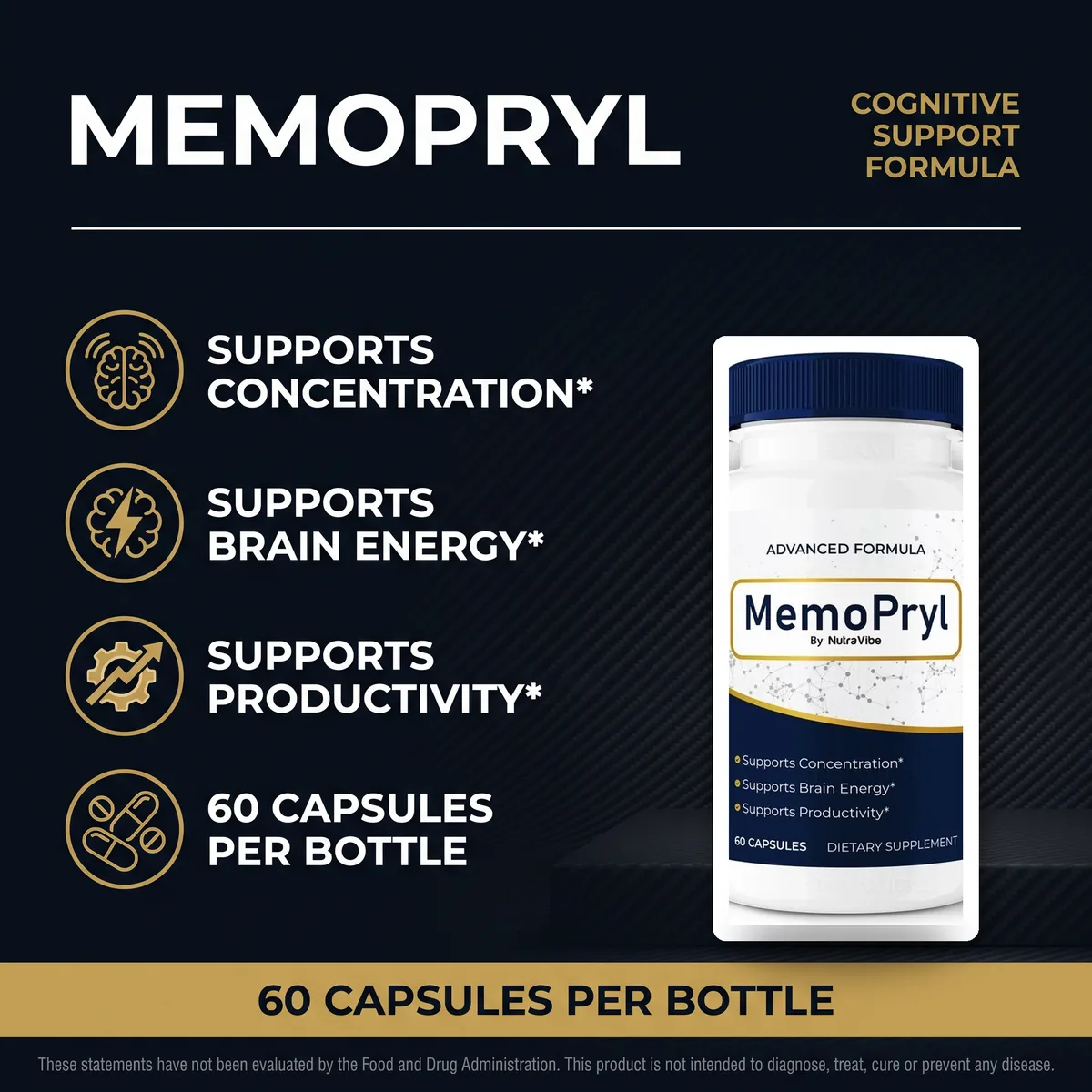
MemoPryl brings the best-established natural botanicals — Bacopa Monnieri, Lion’s Mane, Ginkgo Biloba, Rhodiola and L-Theanine — into one clean daily capsule, made in the USA and backed by a 60-day money-back guarantee.
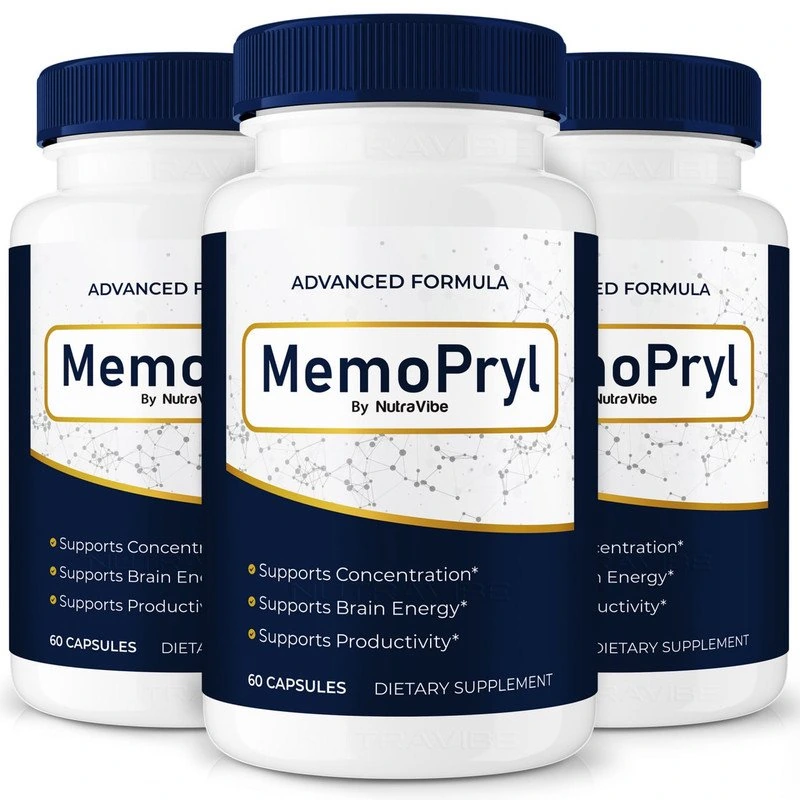 See MemoPryl Packages
The line is blurrier than it looks
It is tempting to treat “natural” and “synthetic” as opposites, but the boundary is fuzzier than the debate suggests. Caffeine is the obvious example: it occurs naturally in coffee and tea, yet it can also be produced synthetically for some products — same molecule, different origin. Likewise, some supplement ingredients are nature-identical compounds made in a lab because it is cleaner and more consistent than extraction. The useful question is often not “is it natural?” but “is it well-studied, well-made, and appropriate for daily use?”
And remember that “natural” never means “automatically safe.” Some botanicals can interact with medication, which is why our article on whether nootropic supplements are safe is worth a read before you start anything. The concrete version of that warning is interactions: a clinical overview of common herbal dietary supplement–drug interactions in American Family Physician (2017) lists the plant-and-prescription pairings worth asking about.
So which should you choose?
For the large majority of people who simply want to support everyday memory, focus and clarity, a well-formulated natural botanical blend is the sensible starting point: a long track record, gentle cumulative support, clear regulation, and easy daily use. Synthetics make more sense for advanced users who understand the compounds, accept the regulatory uncertainty, and are chasing a specific, targeted effect.
Whichever way you lean, quality and consistency matter more than the label “natural” or “synthetic.” If you want help evaluating any product, our buyer’s guide to choosing a nootropic supplement gives you the checklist.
Three myths worth clearing up
The natural-versus-synthetic debate is full of half-truths. A few are worth correcting directly:
- • “Natural always means safer.” Not necessarily. Plenty of natural compounds are potent, and some botanicals can interact with medication. Safety depends on the specific ingredient, the dose and your own health — not on the word “natural.”
- • “Synthetic always means stronger and better.” Some synthetics are more potent, but potency is not the same as being right for you. A gentle, cumulative botanical often suits everyday support far better than a strong compound with thin long-term data.
- • “They can never be combined.” In practice, many everyday routines mix them — caffeine (often natural) alongside botanical blends is the most common example. The categories are a spectrum, not warring camps.
Quality matters more than the category label
Here is the point that too often gets lost in the tribal argument: the difference between a good product and a bad one usually has little to do with whether it is natural or synthetic, and everything to do with how it is made and dosed. A poorly manufactured botanical with token amounts of its star ingredient is a worse buy than a well-made, transparent product — and vice versa. When you evaluate any nootropic, ask the same questions regardless of category: are the ingredients named and dosed transparently, is it made in a GMP-certified facility, and is there a guarantee behind it? Those signals separate serious products from marketing far more reliably than the word on the front of the jar. For the full checklist, see our guide to choosing a nootropic supplement, and if you are deciding between one product and several, our blend vs single-ingredient comparison is the natural next read.
Frequently asked questions
What is the difference between natural and synthetic nootropics?
Natural nootropics are derived from plants, mushrooms and other whole-food sources, such as Bacopa Monnieri and Lion’s Mane. Synthetic nootropics are compounds made in a laboratory, such as the racetam family. Natural options emphasize a long traditional-use record, while synthetics are usually newer and more targeted.
Are natural nootropics better than synthetic ones?
Neither is universally better. Natural botanicals appeal to people who want a gentle, well-established approach for everyday support, while some synthetics are more potent and fast-acting. Many synthetics are less regulated and less studied for long-term use, which is why a lot of everyday users prefer botanical blends.
Are racetams natural or synthetic?
Racetams such as piracetam are synthetic compounds created in a laboratory, not plant extracts. Their legal and regulatory status varies by country, and they are generally used more by experimenters than by people wanting a simple daily wellness supplement.
Is caffeine a natural or synthetic nootropic?
Caffeine is naturally found in coffee, tea and cacao, so in that form it is a natural nootropic, though it can also be produced synthetically for some products. It is a good example of how the natural versus synthetic line is not always sharp.
Which type should a beginner choose?
For most beginners wanting everyday memory and focus support, a well-formulated natural botanical blend is the simpler, gentler starting point with a long track record. Synthetics tend to attract more advanced users and come with more uncertainty around regulation and long-term use.
| Who we are | An independent team that compares nootropic categories — botanical and synthetic alike — and explains the evidence in plain language. We review every article for accuracy. This content is educational and is not a substitute for advice from your own physician. |
References & further reading
- Plant-derived nootropics and human cognition: A systematic review — Crit Rev Food Sci Nutr, 2023 (PubMed PMID 34978226)
- Clinician guidelines for the treatment of psychiatric disorders with nutraceuticals and phytoceuticals: The World Federation of Societies of Biological Psychiatry (WFSBP) and Canadian Network for Mood and Anxiety Treatments (CANMAT) Taskforce — World J Biol Psychiatry, 2022 (PubMed PMID 35311615)
- Common Herbal Dietary Supplement-Drug Interactions — Am Fam Physician, 2017 (PubMed PMID 28762712)
- National Center for Complementary and Integrative Health — Ginkgo
- National Center for Complementary and Integrative Health — Asian Ginseng
- National Institutes of Health, Office of Dietary Supplements — Caffeine
† These statements have not been evaluated by the FDA. This product is not intended to diagnose, treat, cure or prevent any disease. This article is for general information only and is not medical advice.