Home › Blog › Are Nootropic Supplements Safe?
Common QuestionsAre Nootropic Supplements Safe? Your Questions Answered
| Short answer | Quality nootropics from established botanicals are generally well tolerated by healthy adults when used as directed. |
| It depends on | The ingredients, the dose, the manufacturing quality, and your own health. |
| Be cautious if | You are pregnant, nursing, under 18, on medication, or have a health condition. |
| Golden rule | Read the label, follow the dose, and check with your physician first. |
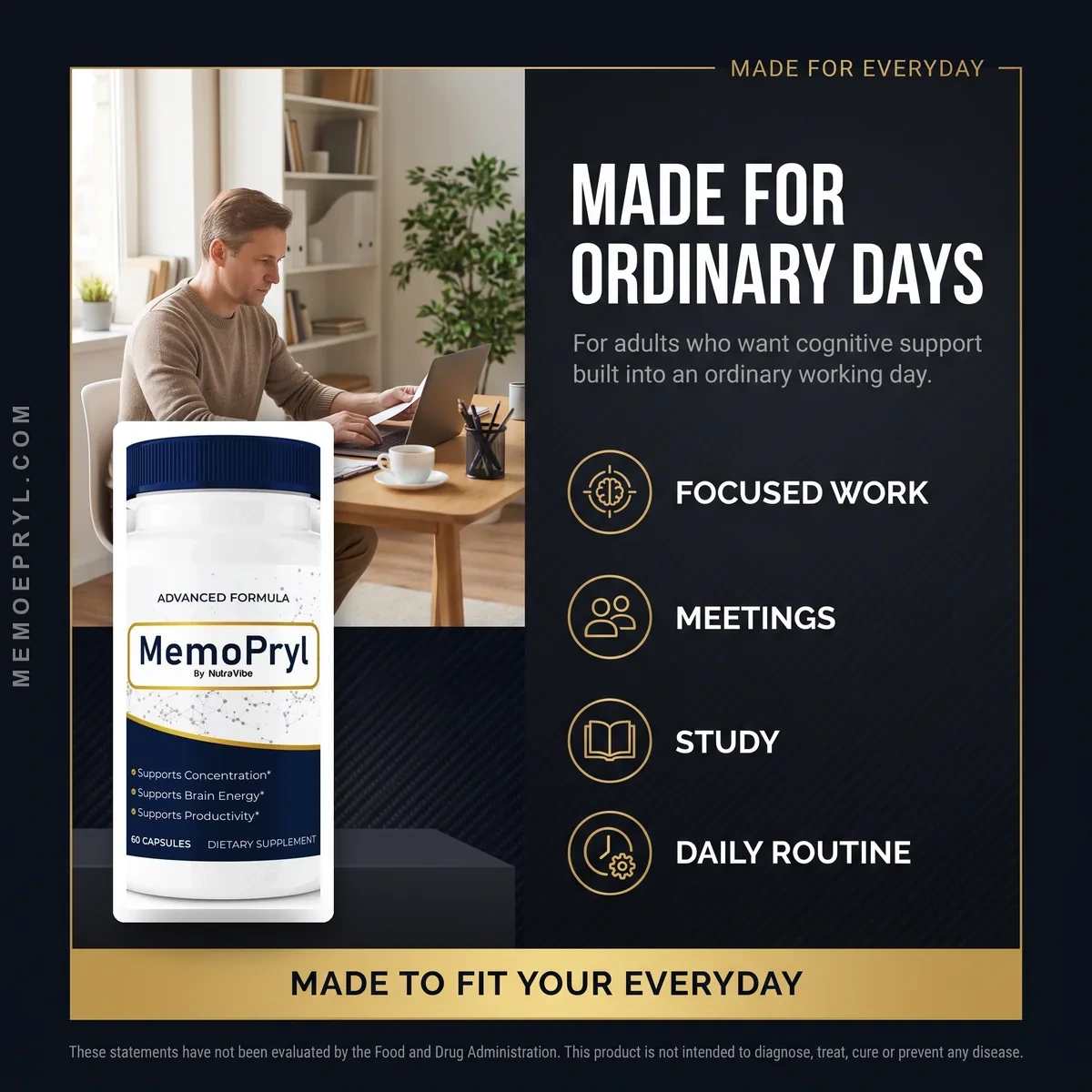
It is one of the first things a sensible person asks before trying anything new: are nootropic supplements safe? It is exactly the right question. The honest answer is not a simple yes or no — it is “generally yes, for healthy adults, when you choose well and use them sensibly.” This article unpacks that answer so you can make an informed decision rather than a nervous guess.
We will cover what “safe” actually depends on, the side effects worth knowing about, who should be extra careful, and the simple habits that keep risk low. None of this is medical advice — it is general information to help you have a better conversation with your own doctor.
Why there is no single yes-or-no answer
“Nootropic” is an umbrella term covering everything from a cup of coffee to well-studied botanicals like Bacopa Monnieri and Lion’s Mane. Asking whether nootropics are safe is a bit like asking whether “food” is safe: it depends entirely on which one, how much, and who is taking it.
The safety of any given product comes down to four things: the ingredients (established, well-researched botanicals have a long track record), the dose (sensible amounts, not mega-doses), the manufacturing quality (a clean, tested product versus an unknown one), and your own health (medications, conditions, and life stage all matter). Get those four right and you have addressed the large majority of the risk.
What the research says about common ingredients
The most popular nootropic botanicals have generally reassuring safety profiles when used as directed by healthy adults. Bacopa Monnieri has centuries of traditional use and is one of the most-studied cognitive botanicals. L-Theanine, the calming amino acid found in tea, is very well tolerated. Lion’s Mane and Rhodiola Rosea are widely used adaptogens with long histories. That track record is a big part of why these ingredients anchor serious formulas — you can read more in our guide to the best nootropic ingredients for memory and focus. Bacopa is the ingredient with the longest human safety record of the group: a randomized, double-blind, placebo-controlled trial of a standardized Bacopa monnieri extract in older adults reported that the extract was well tolerated over twelve weeks, with mild stomach upset the most frequently noted complaint.
“Generally well tolerated” is not the same as “risk-free for everyone,” though. That is where the details below matter.
Possible side effects worth knowing
Most people notice nothing beyond feeling a bit sharper over time, but mild, temporary effects can happen — most often when you first start:
- • Mild digestive upset, especially on an empty stomach — taking it with food usually helps.
- • A passing headache as your body adjusts.
- • If the product contains caffeine or other stimulants: jitters, a faster heartbeat, or disturbed sleep.
- • Rarely, an individual sensitivity to a specific botanical.
These are usually minor and settle down. Starting at the labeled dose — rather than doubling up to “speed things up” — is the simplest way to avoid them. If anything unusual persists, stop and talk to a healthcare professional.
The big one: drug interactions
This is the single most important safety point, and it is easy to overlook because the ingredients are “natural.” Natural does not mean inert. Some botanicals can interact with medications — for instance, Ginkgo Biloba is one that people taking blood-thinning medication should specifically raise with their doctor. If you take any prescription medication, treat “check with my physician or pharmacist first” as a non-negotiable step, not a formality. This is not a theoretical worry. A clinical overview of common herbal dietary supplement–drug interactions in American Family Physician (2017) walks through the pairings most likely to matter, which is exactly why the conversation with a pharmacist is worth five minutes of your time.
Quality you can check, backed by a guarantee
MemoPryl is made in an FDA-registered, GMP-certified facility in the USA from named, well-researched botanicals — with a transparent label and a 60-day money-back guarantee, so you can try it with less risk.
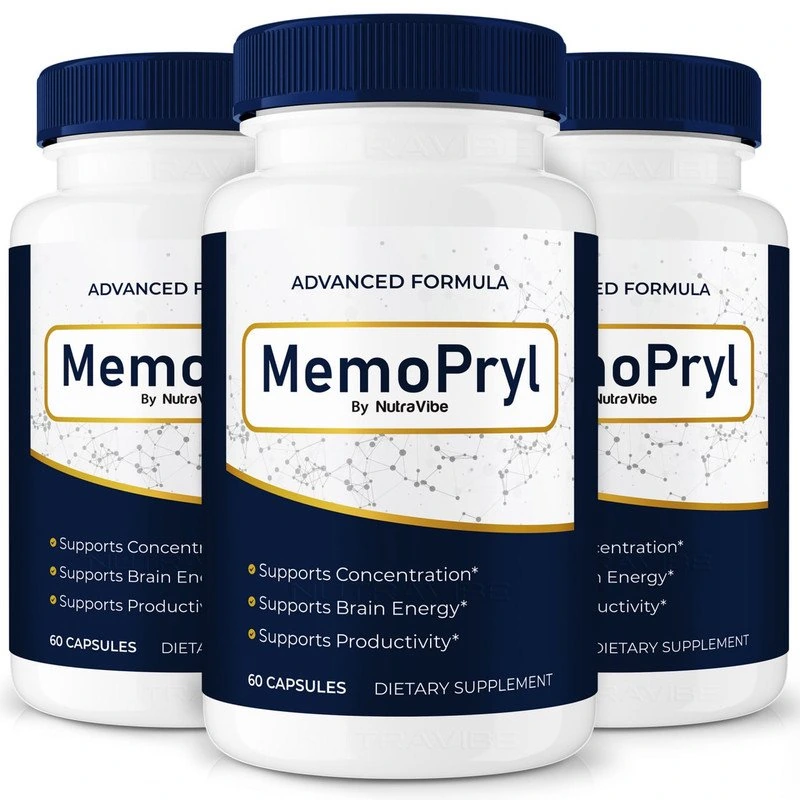 See MemoPryl Packages
Who should be extra cautious
Nootropic supplements are designed for generally healthy adults. Some groups should speak with a healthcare professional before starting anything:
- ✓ Anyone who is pregnant or nursing.
- ✓ People under 18.
- ✓ Anyone taking prescription medication.
- ✓ People with a diagnosed health condition, or scheduled for surgery.
This is not a reason for alarm — it is basic due diligence, the same you would apply to any new supplement.
How to use nootropics as safely as possible
A few sensible habits cover most of the ground. Choose a transparent, quality-manufactured product rather than a mystery blend — our buyer’s guide to choosing a nootropic supplement walks through exactly what to check. Follow the labeled dose and resist the urge to take more. If you are sensitive, start low. Avoid stacking multiple stimulants at once. And remember that supplements support — they do not replace — the fundamentals of sleep, movement and diet, which do more for your brain than any capsule. It also helps to know what the rules actually require of a manufacturer, which is the subject of our explainer on whether nootropics are FDA approved.
Do that, keep your doctor in the loop, and you have made nootropics about as safe as they can reasonably be.
Does “natural” mean automatically safe?
This is worth stating plainly because it trips up so many people: natural does not mean risk-free. Plenty of powerful substances are entirely natural, and a botanical is still an active compound that your body has to process. The more sensible framing is that established botanicals used at traditional amounts have a long, reassuring track record — not that they are harmless by virtue of coming from a plant. That is exactly why dose, quality and your personal health still matter even with a “100% natural” label. If you want to understand where botanicals sit relative to lab-made compounds, our comparison of natural vs synthetic nootropics is a useful companion to this article. Ginkgo is the clearest illustration: the systematic review and meta-analysis of ginkgo biloba that looked at its usefulness for cognitive impairment also catalogued its adverse effects, because a long tradition of use and a clean safety profile are two different claims.
What about long-term, everyday use?
Many nootropic botanicals are designed for exactly this — memory ingredients like Bacopa are traditionally taken daily over weeks and months, because that is how their support builds. For healthy adults using a quality product as directed, ongoing daily use is a normal part of how these ingredients are meant to work. Still, a few sensible habits apply over the long run: periodically check in on how you feel, keep your physician informed at your regular visits, and re-read the label if a manufacturer reformulates. If you ever add a new medication, treat that as a moment to revisit whether your supplement still fits — the interaction question does not go away just because you have taken something for a year.
The quality factor most people underrate
Finally, remember that a large share of “is it safe?” comes down to who made it, not just what is in it. Because supplements are not pre-approved the way drugs are, manufacturing quality varies enormously between brands. A product made in an FDA-registered, GMP-certified facility and verified by third-party testing is a very different proposition from an anonymous blend with no seals and no transparency. Choosing a reputable maker is one of the simplest, highest-impact things you can do for safety — and our buyer’s guide shows exactly which signals to look for.
Frequently asked questions
Are nootropic supplements safe to take every day?
Well-formulated nootropic supplements made from established botanicals are generally well tolerated when used as directed by healthy adults. Safety depends on the specific ingredients, the dose, the manufacturing quality and your own health, so read the label and check with your physician if you take medication or have a health condition.
Do nootropics have side effects?
Most people tolerate quality botanical nootropics well, but mild effects such as an upset stomach or headache can occur, especially when starting. Stimulant ingredients like caffeine can cause jitters or affect sleep. Starting at the labeled dose and taking it with food usually helps.
Can nootropics interact with medications?
Yes, some botanicals can interact with medications. For example, Ginkgo Biloba may matter for people on blood thinners. This is why anyone taking prescription medication, or who is pregnant or nursing, should speak with a physician or pharmacist before starting any supplement.
Who should not take nootropic supplements?
People who are pregnant or nursing, those under 18, and anyone with a medical condition or on prescription medication should consult a healthcare professional first. Nootropics are intended for generally healthy adults as part of a broader healthy routine.
How can I use nootropics as safely as possible?
Choose a transparent, quality-manufactured product, follow the labeled dose, start low if you are sensitive, avoid stacking many stimulants at once, and keep up sleep, movement and diet. Talk to your physician before combining supplements or adding one to medication.
| Who we are | An independent team that reviews the safety literature and traditional-use record for nootropic botanicals and presents it in plain language. We review every article for accuracy. This content is educational and general in nature and is not a substitute for advice from your own physician or pharmacist. |
References & further reading
- Effects of a standardized Bacopa monnieri extract on cognitive performance, anxiety, and depression in the elderly: a randomized, double-blind, placebo-controlled trial — J Altern Complement Med, 2008 (PubMed PMID 18611150)
- Common Herbal Dietary Supplement-Drug Interactions — Am Fam Physician, 2017 (PubMed PMID 28762712)
- Efficacy and adverse effects of ginkgo biloba for cognitive impairment and dementia: a systematic review and meta-analysis — J Alzheimers Dis, 2015 (PubMed PMID 25114079)
- National Center for Complementary and Integrative Health — Using Dietary Supplements Wisely
- National Center for Complementary and Integrative Health — Ginkgo
- U.S. Food & Drug Administration — Dietary Supplements
† These statements have not been evaluated by the FDA. This product is not intended to diagnose, treat, cure or prevent any disease. This article is for general information only and is not medical advice. Consult your physician before starting any supplement.