Home › Blog › Are Nootropics FDA Approved?
Common QuestionsAre Nootropics FDA Approved? How Supplements Are Really Regulated
| Short answer | No supplement is “FDA approved” — that is normal for the whole category. |
| How it’s regulated | As food under DSHEA — the maker is responsible for safety and honest labels. |
| What to look for | Made in an FDA-registered, GMP-certified facility with a transparent label. |
| Red flag | Any brand that claims to be “FDA approved” or to cure a disease. |
It is one of the most common — and most misunderstood — questions in the whole category: are nootropics FDA approved? The honest, straightforward answer surprises a lot of people: no nootropic supplement is “FDA approved,” and that is completely normal. Not because nootropics are unregulated or shady, but because that is not how the US regulates dietary supplements at all.
This guide clears up the confusion in plain language. You will learn what “FDA approved” actually means, how supplements are regulated instead, what phrases like “made in an FDA-registered facility” really tell you, and how to spot a company that is playing by the rules versus one waving a red flag.
Why no supplement is “FDA approved”
The phrase “FDA approved” has a specific meaning. It applies to prescription and over-the-counter drugs, which must go through a formal approval process — clinical trials, safety and efficacy review — before they can be sold. Dietary supplements, including nootropics, do not go through that pre-market approval process. So when you hear that nootropics are “not FDA approved,” it is not a scandal; it is a description of the entire supplement category. Your daily multivitamin, your fish oil and your vitamin C are all “not FDA approved” in exactly the same way.
In fact, if a supplement brand ever tells you its product is “FDA approved,” that is a warning sign — it either misunderstands the rules or is hoping you do. No legitimate supplement can carry that claim.
How nootropic supplements are actually regulated
Supplements are not lawless. In the United States they are regulated under a framework called DSHEA (the Dietary Supplement Health and Education Act), which treats them as a category of food rather than drugs. Under this system:
- ✓ The manufacturer is legally responsible for the safety of its product and the honesty of its label.
- ✓ Products must be made under Good Manufacturing Practices (GMP) — audited standards for cleanliness, consistency and accurate dosing.
- ✓ Ingredients must be lawful, and labels must not make disease claims.
- ✓ The FDA can act against a product after it is on the market if it is unsafe or misbranded, and the FTC polices misleading advertising.
So the model is different from drugs: instead of approval before sale, there are rules the maker must follow and enforcement after sale. That is why the quality of the company behind a nootropic matters so much — the responsibility sits with them. The weakness of a system built on manufacturer responsibility is exactly what you would expect: when researchers went looking, an analysis of the labelling accuracy of “natural” dietary supplements sold in the marketplace in Food Chemistry (2022) found that what is printed on a label and what is in the bottle do not always agree.
What “FDA-registered facility” really means
You will often see a nootropic proudly state it is made in an FDA-registered facility. This is a genuinely useful signal — but it means something specific, and it is worth understanding so you are neither dismissive nor misled.
An FDA-registered facility is a manufacturing site that has registered with the FDA and is therefore subject to inspection and to GMP requirements. In other words, it is a statement about how and where the product is made, not a claim that the FDA has tested or endorsed the specific formula. Paired with a GMP-certified designation, it tells you the product is produced under controlled, audited, inspectable conditions — a reasonable baseline for quality and consistency. What it does not do — and should never be twisted to suggest — is prove the FDA “approved” the product.
Made responsibly, labeled honestly
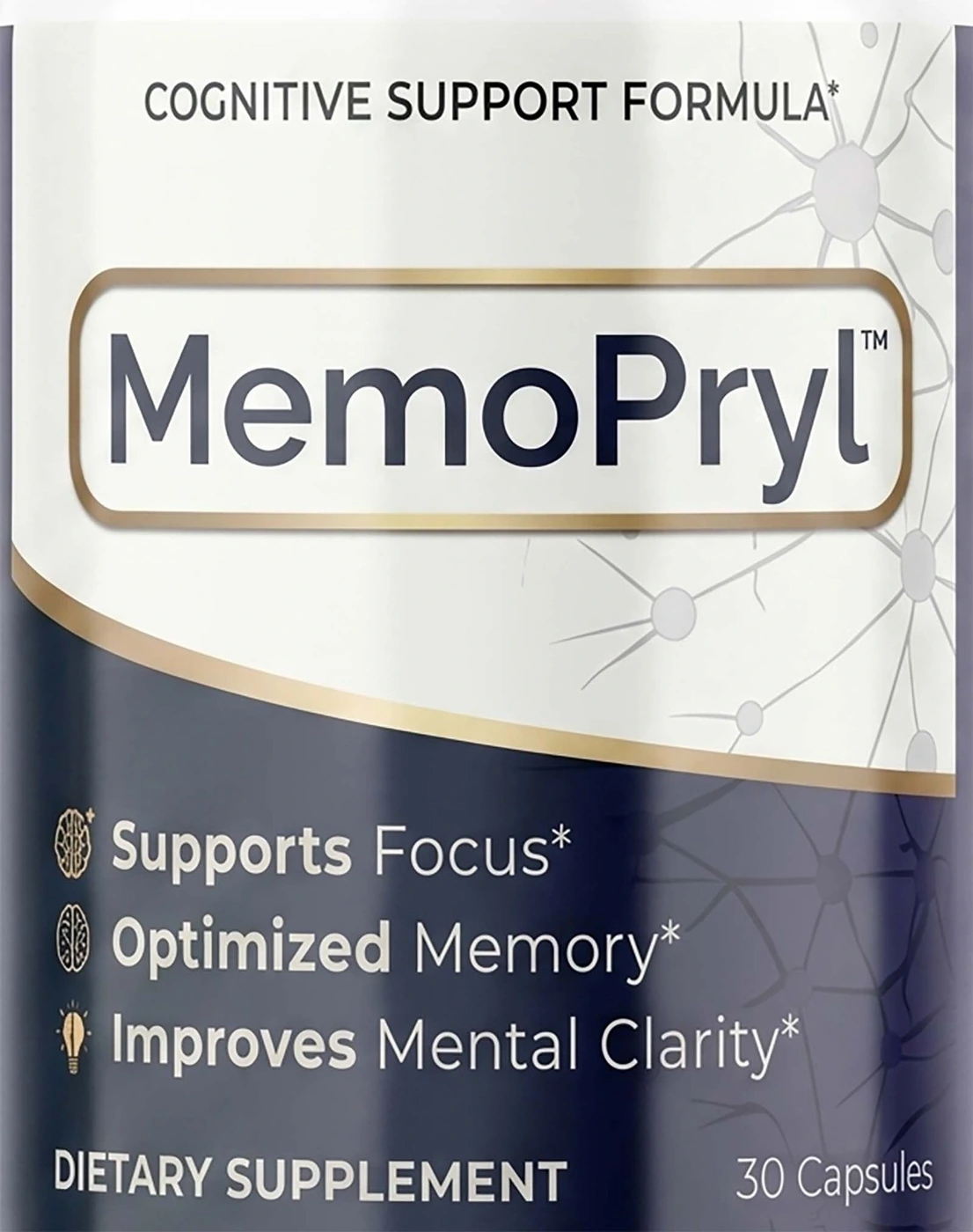
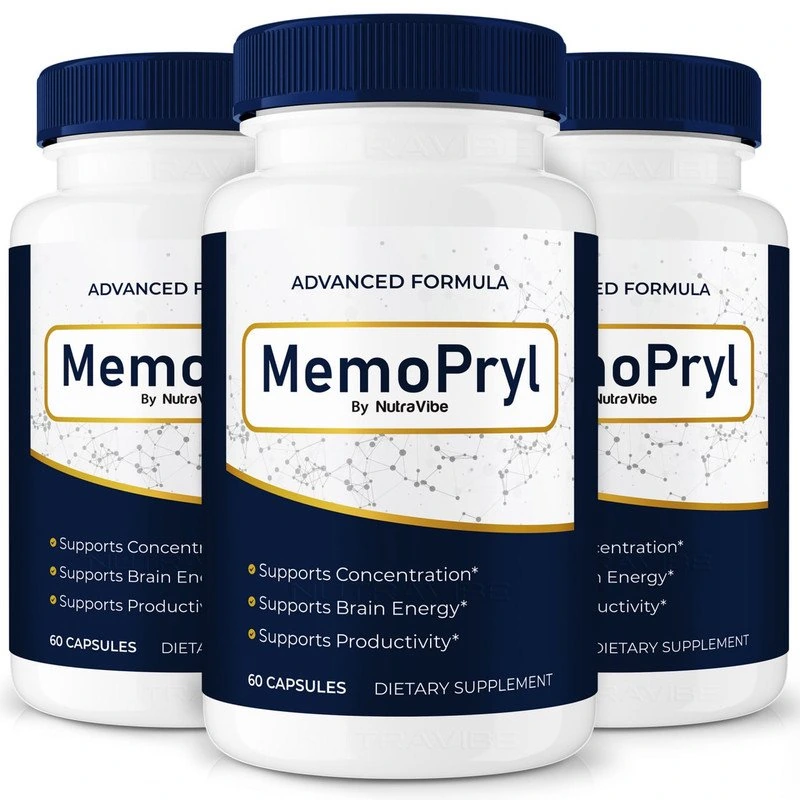
MemoPryl is produced in an FDA-registered, GMP-certified facility in the USA, with a transparent label of named botanicals — Bacopa Monnieri, Lion’s Mane, Ginkgo Biloba, Rhodiola and L-Theanine — and honest wording that supports everyday memory and focus without disease claims. It is backed by a 60-day money-back guarantee.
 See MemoPryl Packages
“Not FDA approved” does not mean “unsafe”
This is the crux of the whole topic. Because “approved” sounds reassuring, its absence can sound alarming — but the two are not the same thing. A responsibly made supplement can be produced under strict, inspectable standards, tested by third-party labs, and labeled honestly, all without being “FDA approved,” because approval is simply not part of how supplements work. The real questions are about quality and honesty, not about a stamp that is not available to any supplement. If safety is on your mind, our deeper guide on whether nootropic supplements are safe covers side effects, interactions and who should be cautious. Nor does the absence of FDA approval mean the ingredients are unstudied. Clinical bodies have gone as far as issuing formal guidance on them: the WFSBP and CANMAT taskforce guidelines in the World Journal of Biological Psychiatry (2022) grades the evidence behind nutraceuticals and phytoceuticals ingredient by ingredient.
The label checklist for a responsibly made nootropic
Since regulation puts the burden on the manufacturer, your job as a buyer is to judge the manufacturer. Run this quick pass on any nootropic: Buyer diligence is not paranoia here. A 2024 analysis in JAMA Network Open of the label accuracy of dietary supplements marketed online found labels that did not match contents, which is the argument for buying from brands that publish who made the product and where.
- 1. Made in a GMP-certified, FDA-registered facility.
- 2. A transparent label that lists the amount of each ingredient (no hidden blend).
- 3. Third-party tested for purity and potency.
- 4. Honest, wellness-focused wording — supports memory and focus, never “cures.”
- 5. A genuine money-back guarantee from a contactable company.
- 6. No claim of being “FDA approved” — because that claim is impossible.
Tick those boxes and you have filtered out the vast majority of low-quality products. For a fuller walkthrough of reading a label the right way, see our guide on how to choose a nootropic supplement.
The single biggest red flag
If you remember one thing, remember this: a supplement cannot legally claim to diagnose, treat, cure or prevent a disease. Honest cognitive-support language talks about supporting memory, focus and clarity. The moment a product promises to “cure” memory loss, “reverse” a diagnosed condition, or claims a fictional “FDA approval,” it is breaking the rules — and telling you a great deal about how much you can trust everything else it says.
The bottom line
Are nootropics FDA approved? No — and neither is any other dietary supplement, because approval is a drug process, not a supplement one. What responsible nootropics are is made under GMP standards in FDA-registered facilities, labeled transparently and honestly, and sold by companies that stand behind them. Understanding that distinction turns a scary-sounding phrase into exactly what it is: a normal description of how the category works — and it hands you the right questions to ask so you can buy with confidence. If the next question on your mind is whether the spend is justified at all, our honest breakdown of whether nootropics are worth the money puts numbers to it.
Frequently asked questions
Are nootropic supplements FDA approved?
No dietary supplement is “FDA approved.” In the US the FDA does not approve dietary supplements before they go on sale the way it approves prescription drugs. Supplements are regulated as food, so the manufacturer is responsible for safety and honest labeling, and the FDA can act against unsafe or misbranded products after they are on the market. This is normal for the whole supplement category, not unique to nootropics.
What does “made in an FDA-registered facility” mean?
It means the manufacturing site is registered with the FDA and is subject to inspection and to Good Manufacturing Practice (GMP) rules. It is a meaningful quality signal about how the product is made. It does not mean the FDA has tested or “approved” the specific formula, and any brand claiming FDA approval of a supplement is misusing the term.
If nootropics are not FDA approved, are they legal?
Yes. Dietary supplements are legal to sell in the US under the DSHEA framework as long as they contain lawful ingredients, are made under GMP standards, and are labeled honestly without disease claims. “Not FDA approved” simply describes how the whole supplement category is regulated; it is not a warning specific to nootropics.
How can I tell a nootropic is made responsibly?
Look for a GMP-certified, FDA-registered manufacturing facility, a transparent label that lists ingredient amounts, third-party testing, and honest wording that supports wellness rather than claiming to cure disease. A real money-back guarantee is another good sign the company stands behind the product.
Can a supplement legally claim to treat a disease?
No. Dietary supplements may describe general support for the body — such as supporting memory, focus and clarity — but they cannot legally claim to diagnose, treat, cure or prevent a disease. Any nootropic that claims to cure a condition is making an illegal claim and is a serious red flag.
| Who we are | An independent team that studies nootropic labels, formulation and the rules that govern dietary supplements, then turns it into plain-language buying advice. We review every article for accuracy and keep our guidance current. This content is educational and is not a substitute for advice from your own physician. |
References & further reading
- Analytical strategies to determine the labelling accuracy and economically-motivated adulteration of "natural" dietary supplements in the marketplace: Turmeric case study — Food Chem, 2022 (PubMed PMID 34507212)
- Clinician guidelines for the treatment of psychiatric disorders with nutraceuticals and phytoceuticals: The World Federation of Societies of Biological Psychiatry (WFSBP) and Canadian Network for Mood and Anxiety Treatments (CANMAT) Taskforce — World J Biol Psychiatry, 2022 (PubMed PMID 35311615)
- Label Accuracy of Weight Loss Dietary Supplements Marketed Online With Military Discounts — JAMA Netw Open, 2024 (PubMed PMID 38691359)
- U.S. Food & Drug Administration — Dietary Supplements overview
- U.S. Food & Drug Administration — Questions and Answers on Dietary Supplements
- Federal Trade Commission — Dietary Supplements: consumer guidance
† These statements have not been evaluated by the FDA. This product is not intended to diagnose, treat, cure or prevent any disease. This article is for general information only and is not medical advice.